The dream of the all-in-one streaming experience didn’t just die; it was dismantled for parts. For years, we were sold a vision of simplicity: one price, one app, and the best possible picture your TV could handle. But as the "streaming wars" shift into a cynical late-stage grind for profit, that promise is being revoked.
Amazon is the latest to swing the hammer. This time, they’re coming for your pixels.
The April 10 Downgrade
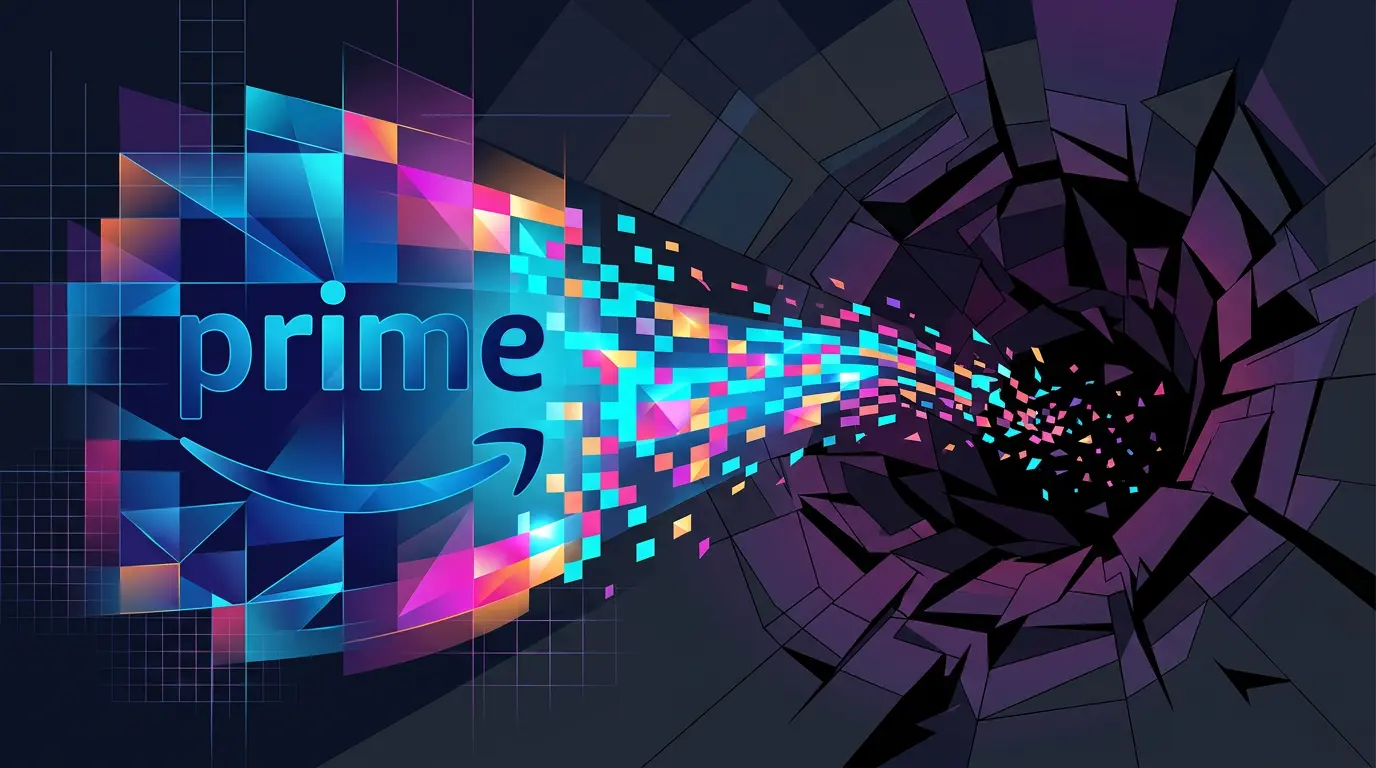
Starting April 10, Amazon Prime Video is officially drawing a line in the sand. If you’re sticking with the default ad-supported tier, your resolution ceiling is being lowered to 1080p. If you want those crisp, 8-million-pixel visuals back, you’re going to have to pay the "tax" for the ad-free experience.
What used to be a technical standard is being rebranded as a premium privilege.
It creates a frustratingly binary choice. On one side, you have the "standard" experience: commercials, 1080p video, and the nagging feeling that your expensive 4K OLED TV is being wasted. On the other sits the ad-free tier, which is no longer just about convenience—it’s now the only way to keep the high-fidelity quality you likely thought you already paid for. Amazon is intentionally widening the "value gap," making the cheaper tier feel purposely broken.
The Spirit Airlines-ification of Media
Amazon isn’t the first to try this, but they are leaning into it with a particular kind of aggression. We’ve seen this playbook from Netflix and Disney+, who have pivoted from competing over who has the "buzziest" shows to seeing who can most effectively squeeze their existing users.
It’s the "Basic Economy" version of home theater.
Think of it like the way airlines unbundled the flying experience. First, they took the meal. Then they took the checked bag. Then they started charging you to pick a seat that doesn't have a view of the lavatory. Streaming services are doing the exact same thing with technology. High-fidelity viewing—once the baseline for any modern service—is now being treated like extra legroom. You can still get from point A to point B, but if you don’t want your knees hitting the seat in front of you (or in this case, seeing the artifacts on your 65-inch screen), you have to open your wallet again.
As someone who has watched this industry evolve for a decade, I find this shift incredibly cynical. It’s one thing to ask users to pay to remove ads; it’s another to actively degrade the technical performance of a product for people who are already paying members. It’s a psychological grift where the consumer feels they are paying more just to keep what they already had.
The Technical Fog
While the deadline is set, Amazon has been remarkably quiet about the specifics. We still don't know the full scope of the downgrade. Will this apply to every single title on the platform, or will flagship Amazon Originals like The Rings of Power or The Boys remain in 4K as a showcase for the brand? Usually, these restrictions are universal, but the lack of clarity is frustrating for anyone who actually cares about bitrates and UI.
Then there’s the hardware side of the headache. We don’t know if the 4K labels will simply vanish for ad-tier users, or if the app will just silently downscale the stream in the background. For the technical enthusiast, this lack of transparency is as annoying as the price hike itself.
The Road to the "Diamond Tier"
We are witnessing a massive, industry-wide recalibration of what a "standard" subscription actually looks like. As Amazon strips away features, they risk alienating a loyal base that is already suffering from massive subscription fatigue. Between the price hikes and the sudden intrusion of commercials, the goodwill Prime Video built up over the last ten years is evaporating.
If Amazon pulls this off without a massive spike in cancellations, expect every other player in the market to follow. We are moving toward a world where 1080p is the "budget" resolution, and 4K is a luxury add-on. Eventually, when 8K finally arrives, it will almost certainly be locked behind a "Diamond Tier" paywall.
It makes you wonder: what’s next on the chopping block? Will HDR (High Dynamic Range) or Dolby Atmos sound become the next features gated behind a higher fee? When technical quality becomes a variable instead of a constant, streaming starts to look less like a modern marvel and more like legacy cable. At some point, the downgrade becomes so steep that the convenience of the app no longer justifies the weight of the bill.