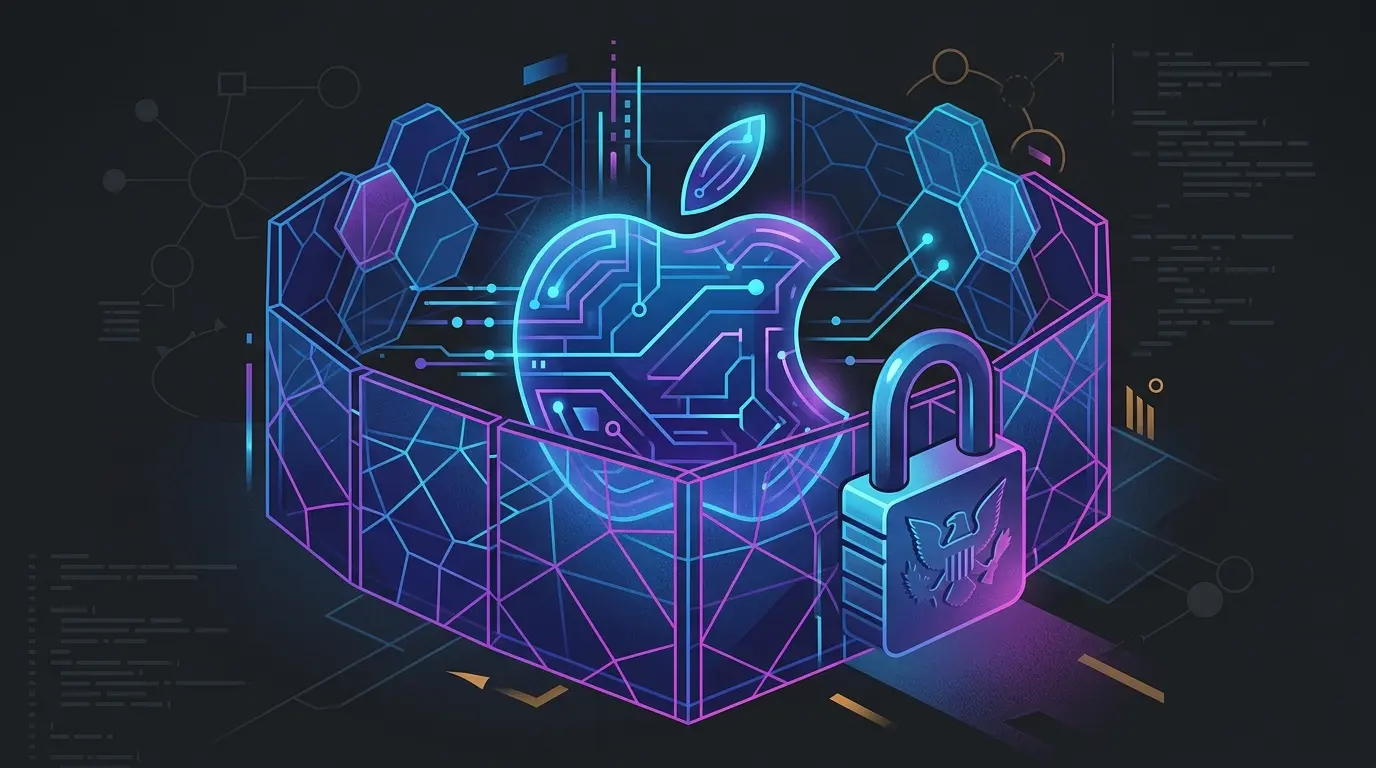
Every developer has a recurring nightmare where they wake up and find their business has been deleted. This week, a federal judge turned that nightmare into a binding legal precedent.
For years, the venture capital world has lived with the quiet, nagging anxiety of "platform risk." It is the realization that your billion-dollar startup is essentially a tenant in a building owned by a landlord who can change the locks whenever they feel like it. This latest ruling should make every developer on the App Store take a very long, very uncomfortable look at their business model.
The case involved Musi, a streaming app that managed to rack up tens of millions of downloads by offering a free, ad-supported way to listen to music. The business model relied on a clever, if legally shaky, bit of plumbing. Musi essentially acted as a wrapper for YouTube content, allowing users to bypass the usual friction of the YouTube app. Apple eventually pulled the plug, removing the app from the store. Musi sued to get back in, but the court did not just side with Apple. It threw the book at them.
The Absolute Power of the At-Will App Store
The presiding federal judge dismissed the lawsuit with a ruling that provides Apple with a massive legal shield. The court affirmed that Apple retains the authority to delist applications from its platform "with or without cause."
In the world of contract law, this is the equivalent of an at-will employment agreement, but for an entire digital economy.
From a financial perspective, this is a moat-building event for Cupertino. If the company does not need to prove a violation of specific terms to remove a competitor or a problematic actor, then the App Store is not a public square. It is not even a regulated utility. It is a private club. For Musi, which relied entirely on the iOS ecosystem for its distribution, this ruling is a terminal event. There is no pivot here and no secondary market to capture. When Apple closes the door, the revenue stops instantly.
A Masterclass in Legal Self-Destruction
What makes this case particularly bizarre is the conduct of Musi’s legal representation. It is rare to see a federal judge lose their patience to the point of issuing formal sanctions, but that is exactly what happened here. The court sanctioned Musi’s counsel for "making up facts" during the proceedings.
Think about the sheer desperation required to fabricate evidence in a federal court against a trillion-dollar company with an army of top-tier attorneys. It suggests that Musi’s team knew they had no standing under the existing App Store guidelines. By trying to invent a reality where Apple’s actions were illegal, they instead highlighted the complete lack of merit in their own claims.
For any analyst looking at the viability of Musi as a going concern, this was the final red flag. You cannot build a sustainable company on a foundation of legal fiction.
The YouTube Arbitrage Problem
Musi was always playing a high-stakes game of arbitrage. By using YouTube as a content source, they were essentially bypassing the traditional licensing fees that Spotify or Apple Music have to pay. This allowed them to offer a free service that was incredibly popular with users, though it remained a constant thorn in the side of rightsholders and platform owners.
I have seen dozens of startups try this "wrapper" strategy over the last decade. They find a loophole in a giant’s API and build a house inside it. But as we saw with the death of third-party Twitter clients, the giant eventually wakes up. Apple’s decision to delist Musi was likely a response to pressure from music labels or YouTube itself, but the beauty of this ruling for Apple is that they do not even have to explain that motivation. They can just say "no," and the law now says that is enough.
The Future of Platform Risk
This ruling creates a chilling effect for developers working in the fringes of the App Store guidelines. If you are building a product that competes with Apple’s native services or occupies a legal gray zone, your risk premium just went through the roof.
It is a fascinating moment for the industry. While regulators in the EU are trying to tear down the walls of the App Store via the Digital Markets Act, the US court system seems to be doubling down on the rights of the platform owner. We are seeing a widening gap between how digital monopolies are treated across the Atlantic.
The question now is whether this absolute power will eventually backfire. By winning the right to be capricious, Apple might be inviting the very antitrust scrutiny they have spent billions trying to avoid. If you can kick anyone off your platform for no reason, at what point does the government decide you have too much control over the digital economy? For now, Apple is the undisputed king of its castle, and the door is locked tight. One has to wonder if, by making the walls this high, they are simply making it easier for regulators to see the target.