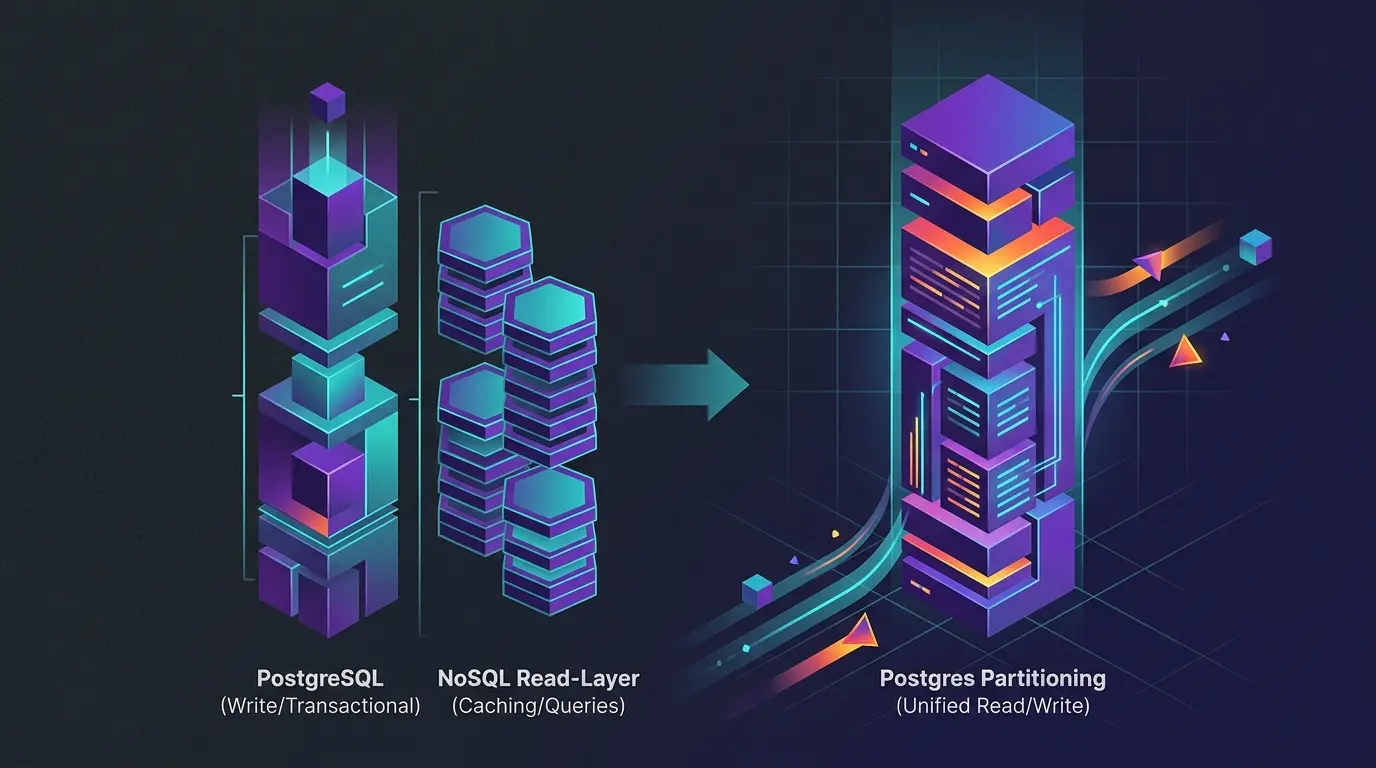
We have a pathological obsession in this industry with the shiny and the complex. Five minutes on Tech Twitter or LinkedIn is usually enough to find a relentless parade of developers arguing over Next.js versus Remix, or debating whether microservices are finally dead (again). We treat our tech stacks like religious iconography. We build massive, over-engineered cathedrals of code because we have convinced ourselves that complexity equals value.
The bank accounts of the world’s most successful independent developers tell a very different story.
A veteran developer, someone who has been in the trenches since 2012, recently sparked a massive conversation on Reddit by admitting a hard truth. After 14 years of migrating databases, building browser extensions, and mastering dozens of frameworks, they realized their most profitable skill had nothing to do with writing clean code or optimizing a SQL query.
The single skill that generated the most revenue was the ability to translate what a non-technical person actually needs into something that can be built in a single weekend.
The Complexity Trap
As senior developers, we often fall into the trap of building for our peers instead of our clients. We want to show off our understanding of server-side rendering or our ability to maintain a perfectly typed TypeScript codebase. We build for the resume, not the ROI.
The anonymous veteran pointed out that most clients simply do not need a React app with a microservices backend. They do not care about your deployment pipeline or your test coverage. Usually, they just need a form that sends data to a specific place, or perhaps a simple automation that saves them three hours of manual data entry every morning.
I have seen this play out dozens of times. I once watched a team spend three months debating the architecture for a customer portal that only needed to be a secure file upload button. They spent $50,000 on architectural meetings for a problem that a basic CRUD app or a simple browser extension could have solved in forty-eight hours.
We are often our own worst enemies when it comes to efficiency.
The Developer as a Consultant
This shift in perspective changes the developer's role from a code monkey to a business consultant. The high-value work happens before the first line of code is even written. It happens during the discovery phase. A client might say they want an "AI-powered enterprise resource platform," but after ten minutes of questioning, you realize they just need an automated way to track inventory in an Excel sheet.
Being a translator means having the discipline to say no to technical vanity.
It requires the ability to map vague, messy business requirements to the simplest possible technical deliverable. This is a form of Developer Experience (DX) that we rarely talk about. It is not about how the code feels to write, but how the solution feels for the person paying the bills.
The Pragmatism Premium
The source material is anecdotal, coming from a single Reddit user without third-party financial verification, but it echoes a sentiment that is becoming impossible to ignore. As the cost of capital stays high, companies are losing their appetite for experimental tech. They want solutions that work, and they want them yesterday.
This veteran developer noted that simple, functional solutions like browser extensions or basic workflow automations often yield a much higher return than complex enterprise setups. There is a specific kind of professional maturity involved in choosing a boring technology because it solves the problem faster.
While we scramble to learn the newest framework with the most GitHub stars, we should probably spend that time learning how to ask better questions. Identifying the specific pain point that is actually costing a business money is worth more than any certification.
Are We Training for the Wrong Jobs?
This reality forces a difficult conversation about the state of the industry. If the most lucrative skill is effective translation rather than technical mastery, are our bootcamps and computer science degrees failing the next generation?
We teach students how to reverse a binary tree and how to manage state in a complex frontend application. We almost never teach them how to talk to a frustrated small business owner who just wants their invoices to stop disappearing. We prioritize the tool over the task.
If you want to increase your value as a developer in 2026, stop looking at the documentation for a moment. Start looking at the business problems around you. The most elegant code in the world is worthless if it solves a problem the client doesn't actually have.
As this 14-year veteran proved, the real money isn't in the code itself. It is in the bridge you build between a human problem and a technical answer. Maybe it is time we started valuing the bridge builders as much as the architects. After all, an architect can design a cathedral, but a bridge actually gets people where they need to go.