Walking onto the grounds of the Indian Institute of Technology Madras (IIT-M) for their latest Innovation Expo, you realize very quickly that this isn’t a typical science fair. There are no baking soda volcanoes or half-hearted poster boards here. Instead, there is the sharp hum of high-voltage electronics and the sight of aerodynamic silhouettes that look like they were lifted from a sci-fi storyboard.
This wasn’t just a showcase of student talent; it was a physical roadmap for how we might move across the planet in the coming decades.
The optics of the event were clear. When the Governor of Tamil Nadu, Rajendra Vishwanath Arlekar, led the inauguration alongside IIT-M Director V. Kamakoti, it signaled a shift in perspective. The state isn't just watching these developments from the sidelines anymore. They are treating these student-led projects as serious contenders for the future of Indian infrastructure.
Bridging the Gap: Academia Meets the Real World
For years, the path from a university lab to the open road was blocked by a massive wall of bureaucracy and a chronic lack of funding. That’s finally changing. The expo highlighted a pivot toward the "Atmanirbhar" approach—a move for self-reliant engineering where the goal is simple but incredibly ambitious: build the tech here, test it here, and scale it here.
Director V. Kamakoti has been the architect of this hands-on philosophy. Under his watch, the institute has transformed from a traditional classroom setting into a sprawling R&D hub.
As the Governor toured the exhibition, he wasn’t looking at theoretical white papers or "what if" scenarios. He was looking at functional hardware designed to solve real-world bottlenecks. It is a deliberate move away from academic exercises toward engineering that actually moves the needle on national transit goals.
Hyperloop Pods: The End of Friction
The real stars of the show were the hyperloop pods.
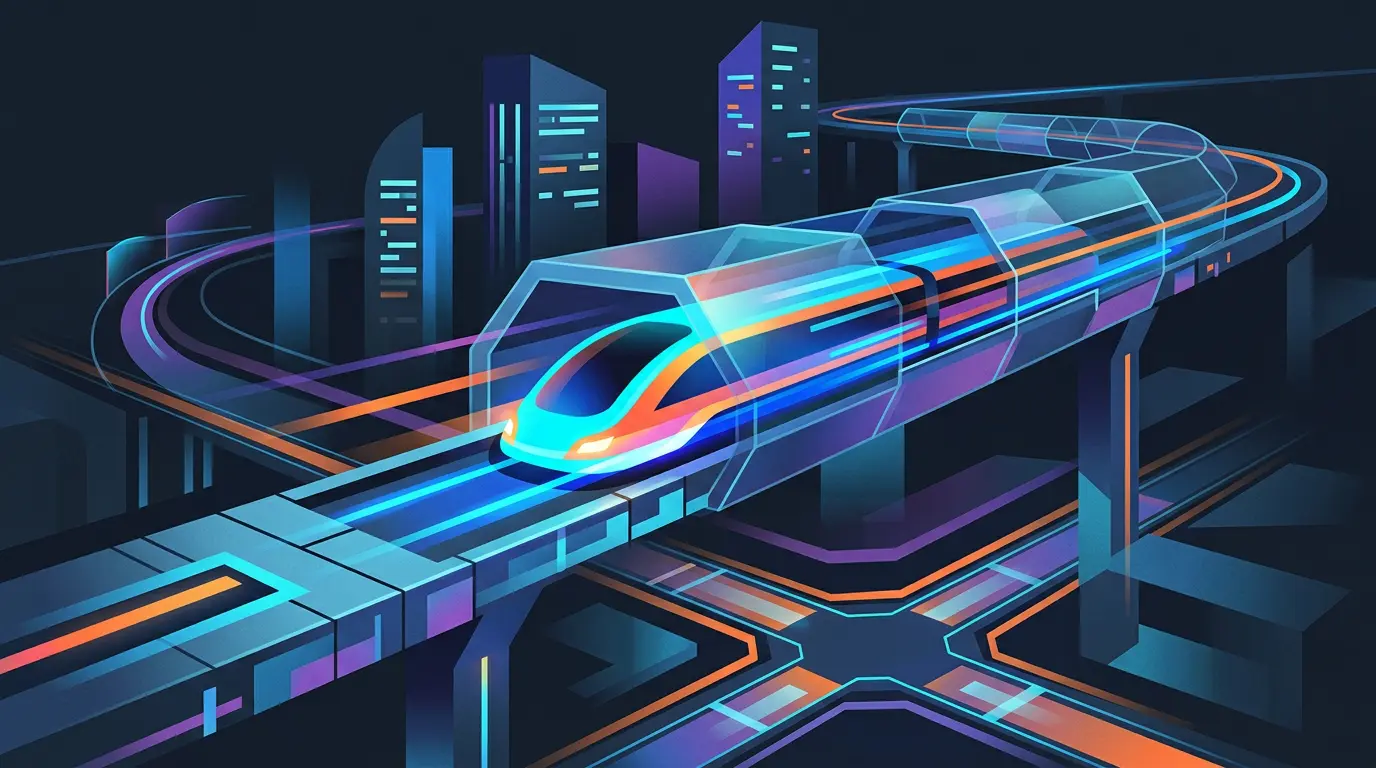
If you’ve followed the hype, you know the pitch: it’s essentially high-speed parcel delivery, but for people. These pods are designed to scream through vacuum tubes, eliminating the air resistance and friction that turn traditional trains into energy hogs.
Seeing these prototypes up close is a sobering reminder of the sheer mechanical heavy lifting involved. The student teams have spent their nights solving the nightmare-inducing hurdles of magnetic levitation and thermal management. In India, where the rail system is the country's literal lifeblood but often runs at a crawl, a functional hyperloop could turn a grueling six-hour journey into a thirty-minute hop.
It’s the kind of project that sounds like a fever dream—until you see a physical pod sitting on a display floor, built by 21-year-olds who don't seem to realize it’s supposed to be impossible.
Solar-Powered Mobility: The Green Endurance Game
While the hyperloop teams focused on raw speed, the solar-powered vehicle section was playing the long game of endurance and sustainability.
India has an abundance of sunlight, yet we’ve historically struggled to harvest it for anything faster than a rooftop water heater. These prototypes change the narrative. They aren't just standard cars with panels glued to the roof; they are vehicles built from the ground up for hyper-efficiency.
In urban centers where the carbon footprint of public transit is a constant headache, these projects offer a glimpse of a silent, emission-free future. They take textbook physics and turn it into environmental solutions you can actually sit in.
The "Valley of Death" and the Path to Market
As someone who covers the tech industry, I’ve seen countless brilliant ideas die in the prototype stage. The "Valley of Death" for hardware startups is very real, and very unforgiving.
However, the ecosystem at IIT-M feels different. The presence of university-led incubators means these students aren't just chasing a grade. They are building the foundation for actual companies.
The secret sauce here is the between faculty mentorship and raw student ingenuity. The next step for these pods and solar cars isn't a trophy on a shelf—it’s attracting the venture capital and state-led partnerships required for pilot testing. If these designs can migrate from the expo floor to a dedicated test track, we are looking at a radical shift in how the government approaches infrastructure contracts.
A Final Word
As these prototypes move toward the real world, one massive question remains: how quickly can the regulatory environment adapt? We can build the fastest pod in the world, but it won't mean much if the legal frameworks for vacuum-tube transport aren't ready to receive it.
One thing is certain: the students at IIT-Madras aren't waiting for the world to catch up. They are building the future right now, one weld and one solar cell at a time. The real test will be seeing which of these designs ends up on our morning commute first.