The Black Box of Tammun
A car is usually a private universe, a climate-controlled bubble where a family navigates the familiar path toward home. For twelve year old Khaled Bani Odeh, that bubble was punctured by a barrage of gunfire near the town of Tammun in the occupied West Bank. In a matter of seconds, the mundane comfort of a family drive was replaced by total devastation. Khaled sat in the wreckage and watched as his parents and his two younger brothers were killed.
This was not a data point in a conflict report. It was the sudden, violent erasure of a child’s entire world.
Reporting from the ground, BBC Middle East correspondent Lucy Williamson captured a level of trauma that rarely makes it through the filter of a standard news bulletin. Khaled described a sequence of events that was as absolute as it was instantaneous. In the heavy silence that followed the shots, before hands reached in to pull him from the vehicle, the boy believed he was the only person left alive on earth.
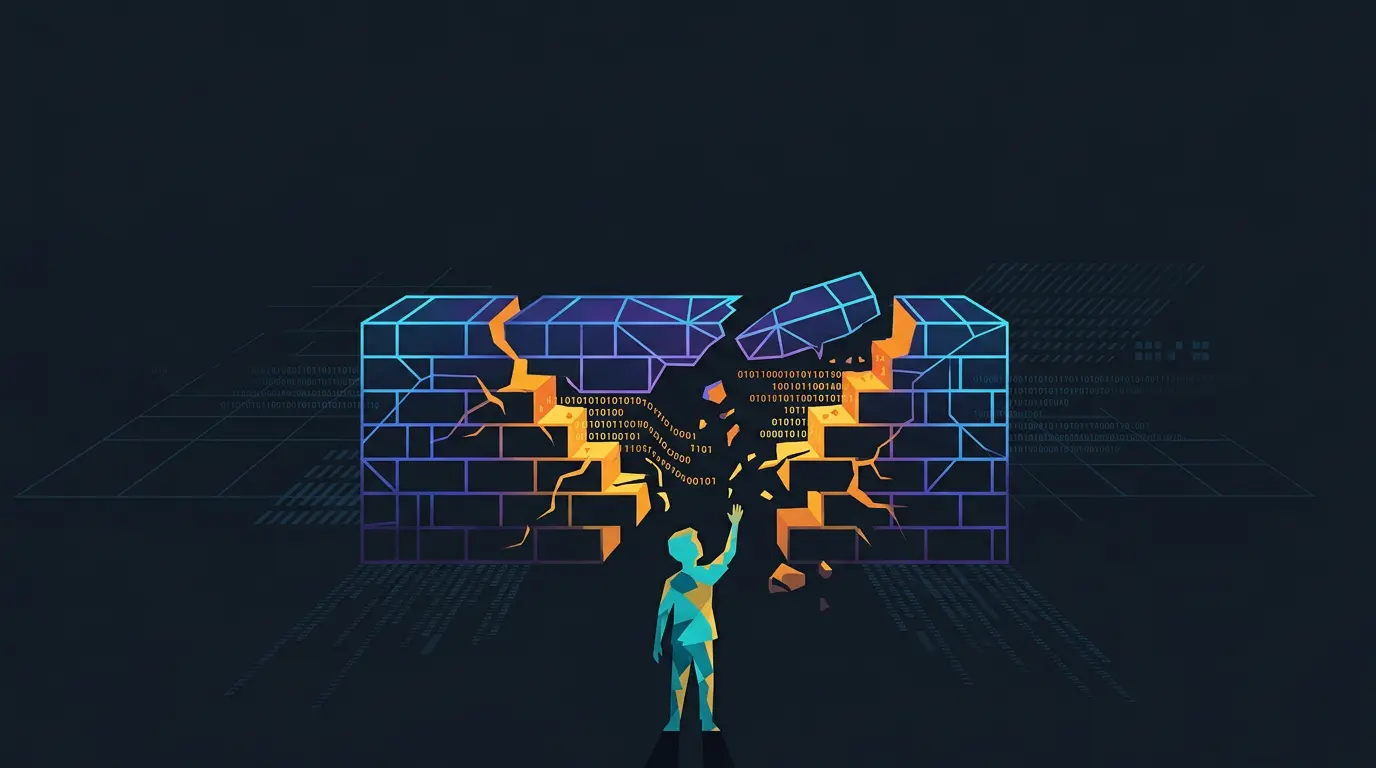
In our industry, we talk about transparency as a fundamental requirement. We demand to see the source code and understand the logic behind a system’s decisions. We hate "black boxes" because they hide the mechanics of failure.
In the West Bank, transparency is frequently the first casualty of an engagement. Accounts from the scene attribute the shooting to Israeli forces, yet we are currently facing a familiar gap in the narrative. The Israel Defense Forces (IDF) have not provided a tactical breakdown or an official statement regarding the specifics of the encounter. We do not know which unit was involved, what their objectives were, or what they perceived before the shooting began. This information vacuum is common in high tension zones, but it leaves the raw testimony of a twelve year old as the only available record.
Khaled has transitioned from a child in a protected family unit to a primary eyewitness of his own tragedy.
The psychological weight here is staggering. Beyond the immediate physical danger, the long term impact on a minor who has seen his entire support system destroyed is a burden that no person should have to carry. It forces us to ask difficult questions about military operations in civilian areas and the mechanisms of accountability (or the total lack thereof) when these incidents occur.
Field reporting in these regions is an exercise in stitching together fragments of truth. You have the physical evidence of the vehicle, the testimony of a survivor, and the absolute silence of the military entities involved. Williamson’s report is a reminder that behind every statistic, there are individuals whose lives are redirected in a heartbeat.
The question of accountability remains. How does a system account for the death of a family when the tactical context is shielded from view? For Khaled, no official answer will ever fill the silence where his family used to be. As we monitor the situation, the story of the Bani Odeh family serves as a somber reminder of the human firmware that is shattered when conflict enters the civilian sphere. We have to ask if our current frameworks for reporting and engagement are designed to protect the vulnerable, or if they are simply documenting a cycle with no exit strategy.