The electrical grid is an antique. It is essentially a century-old machine being asked to run 21st-century software. For decades, we relied on a simple, brute-force model where massive coal or gas plants pumped out power in a steady stream and we consumed it. It was a one-way conversation, but that conversation just got a lot more complicated and much more expensive to maintain.
Samsung Ventures recently placed a significant bet on GridBeyond, a startup that does not build power plants. Instead, it builds the brains that manage them. By coordinating gigawatt-scale supply and demand through a sophisticated mix of hardware and software, GridBeyond is positioning itself as the conductor of an increasingly chaotic energy orchestra. For those of us watching the capital flows in the energy sector, this is a clear signal. The value is migrating from the assets themselves to the intelligence that controls them.
The Deal: Institutional Backing for Grid Intelligence
Financial terms of the investment remain behind closed doors, but the strategic intent is loud and clear. Samsung is not just a consumer electronics giant. They are a massive player in battery ecosystems and industrial hardware. By backing GridBeyond, Samsung Ventures is moving beyond the "dumb" hardware of batteries and into the smart layer of energy management.
This partnership suggests that Samsung recognizes a fundamental shift in the market. It is no longer enough to simply sell a high-capacity battery. In a world of fluctuating prices and unstable supply, you have to sell the software that tells that battery when to breathe, when to hold its breath, and when to sell its stored energy back to the grid for a profit. This is a move toward a high-margin, software-as-a-service model in a sector historically dominated by low-margin, capital-intensive infrastructure.
The Peak Problem: Why the Grid is Breaking
The electrical grid has changed more in the last decade than in the preceding five. Solar, wind, and batteries have pushed power generation away from monolithic producers and into the hands of many. While this is a win for sustainability, it has broken the old model of grid stability.
The problem on the grid is a peak problem.
Our grid was built for the steady hum of predictable generation. Now, we have solar and wind, which are excellent for the environment but notoriously fickle. They are like the friends who promise to show up to your party but only if the weather is nice. When the sun sets or the wind dies down just as people are coming home and turning on their air conditioners, the grid experiences a massive stress test. If you do not balance that scale perfectly in real time, the whole system trips, leading to brownouts or total failure.
The Solution: The Virtual Power Plant Approach
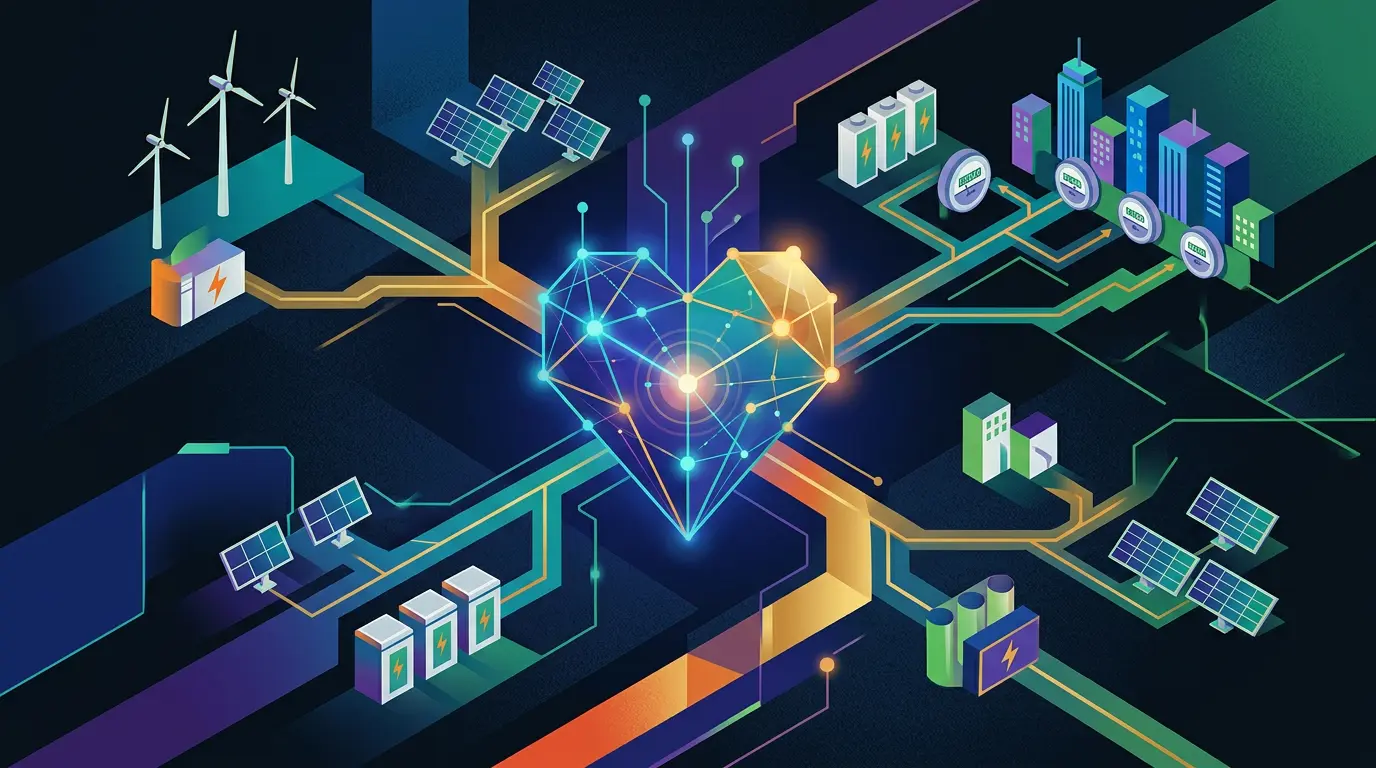
GridBeyond uses what many in the industry call a Virtual Power Plant, or VPP. Think of it like a massive, invisible battery made of thousands of smaller, disconnected parts. By using software to coordinate decentralized assets (such as commercial battery storage, industrial demand, and renewable sources), they can make a cluster of small players act like one massive, reliable power station.
This technology acts as an orchestrator for gigawatt-scale energy. It allows for a shift from passive consumption to active grid participation.
In the old world, the utility told you what you got. In this new world, a company’s industrial freezer or a hospital’s backup battery bank becomes a part of the grid defense system. When a peak occurs, GridBeyond’s software can instantly throttle back non-essential demand or discharge batteries to fill the gap. This happens in milliseconds, far faster than any human operator could manage.
The Bigger Picture: Software Over Steel
As a financial analyst looking at these trends, I see a pattern that mirrors the telecommunications boom of the nineties. We are watching the energy sector move from hardware-defined to software-defined. Investors are increasingly wary of the massive capital expenditures required for traditional power plants. They are looking for the asset-light players who can optimize what we already have.
Artificial Intelligence and real-time data analytics are no longer optional extras. They are the only way to prevent grid failure in a decentralized world.
The companies that control the orchestration layer may soon hold more power than the utility providers that actually own the wires. If you control the logic that balances the grid, you control the marketplace. This is why Samsung is at the table. They are not just buying into a startup, they are buying a seat at the head of the new energy economy.
We have to ask ourselves: can we ever build enough hardware to fix a fundamentally unstable system? Or is grid stability now strictly a software problem? Samsung’s move suggests they believe the future of energy will not just be made of copper and steel. It will be made of code. The real question for the next five years is whether legacy utility providers can adapt to this software-first reality before startups like GridBeyond become the new gatekeepers of the power we all rely on.