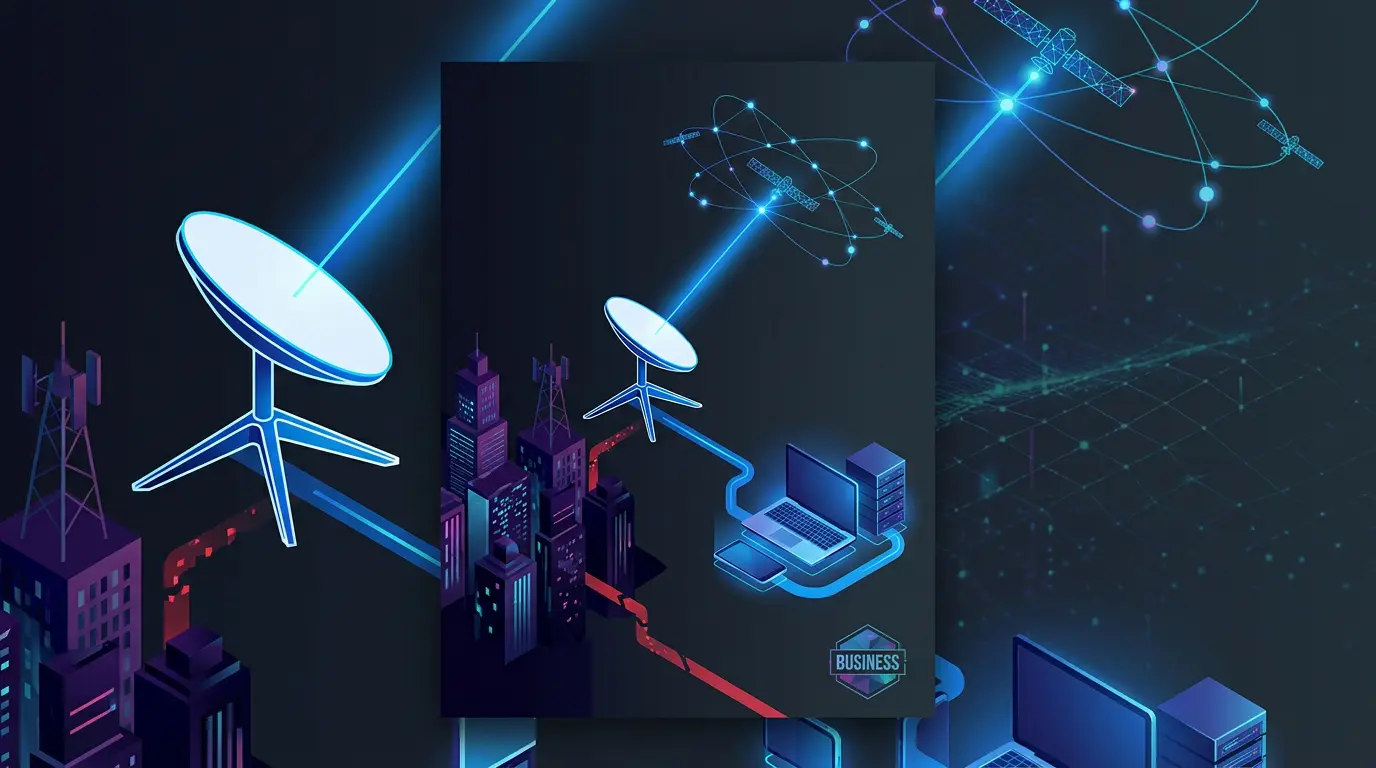
Satellite internet used to be the tech equivalent of a flare gun. It was expensive, clunky, and reserved for researchers in Antarctica or people living in off-grid cabins. But SpaceX is rewriting that script. By positioning the Starlink Mini as a low-cost backup, they are moving away from being a niche provider for nomads and becoming a sensible insurance policy for the modern home office.
The logic is hard to argue with. If you work from home, an internet outage is not just a nuisance. It is a total work stoppage. Even the best fiber-to-the-premises (FTTP) connections, which boast latency as low as 5ms, can be defeated by a single rogue backhoe or a hardware failure at the local exchange. This is where the Starlink Mini fits in. It is not meant to be your primary driver, but a silent, orbitally-powered safety net.
The Economics of Redundancy
The real story here is not the hardware. It is the £4.50 monthly standby fee.
In an era of subscription fatigue, this is a brilliant play for the "just in case" market. In the past, if you wanted a redundant connection, you either paid for a second physical line (which might be hit by the same outage) or relied on a 5G failover that might not penetrate your walls. SpaceX is undercutting that entire mess. For less than the price of a fancy coffee, a household can maintain a live link to a constellation of satellites 600km overhead. It turns the service into a utility rather than a luxury.
Hardware That Disappears
The Mini itself reflects this shift. It is a compact, flat-panel device that can be deployed in minutes, a far cry from the massive dishes of the early 2000s. Jack Pearce, a user who recently integrated the Mini into his home setup, noted that having a backup reliant on satellites is "just fascinating" given how well his primary fiber performs.
That fascination is grounded in a harsh reality. Physical infrastructure is fragile. Satellite connectivity, specifically the Low Earth Orbit (LEO) variety, bypasses the terrestrial "last mile" issues that plague traditional providers. The Mini does not need to match the 5ms latency of a top-tier fiber line. It only needs to be there when the fiber is not.
Practical Implementation for Power Users
How are people actually using this? Most power users are implementing the Mini through a multi-WAN router. These devices allow a network to take two inputs at once, usually a primary fiber line and a secondary connection like Starlink. When the router detects a drop in the fiber signal, it automatically flips the traffic over to the satellite dish.
For the average person, the Mini is a simple plug-and-play solution. You do not need a technician to drill holes in your roof or a four-hour appointment window. You just need a clear view of the sky. This low barrier to entry is how SpaceX moves beyond the tech-savvy early adopters and into the mainstream residential market.
The Competitive Outlook
This puts traditional ISPs in an awkward spot. Most residential providers offer almost nothing in the way of Service Level Agreements (SLAs). If your fiber goes down, they might send someone out in three days. By offering a cheap, reliable backup, Starlink is effectively providing the guarantee that the fiber companies refuse to give.
We are likely approaching a point where a secondary satellite link is as standard for a home office as a surge protector or a backup battery. We might even see a future where high-end fiber providers are forced to partner with satellite companies to offer "uninterruptible" internet packages.
As our reliance on constant connectivity grows, the value of that £4.50 fee will only increase. SpaceX is no longer just selling data. They are selling the luxury of never having to apologize for a dropped Zoom call again.