There is a specific kind of quiet desperation that comes with staring at a dead phone in a rural village, knowing the next bus isn’t due until Tuesday. In the deeper reaches of Suffolk, freedom has long been a luxury reserved for those with a steering wheel and a full tank of petrol. Without them, you aren’t just a resident; you’re effectively stranded.
On April 13, the local grid is getting a long-overdue upgrade. Two new services—the 51 and the 52—are set to hit the asphalt, aiming to stitch together towns that have spent too long feeling like isolated islands in a sea of green.
The Network Map: Where We’re Going
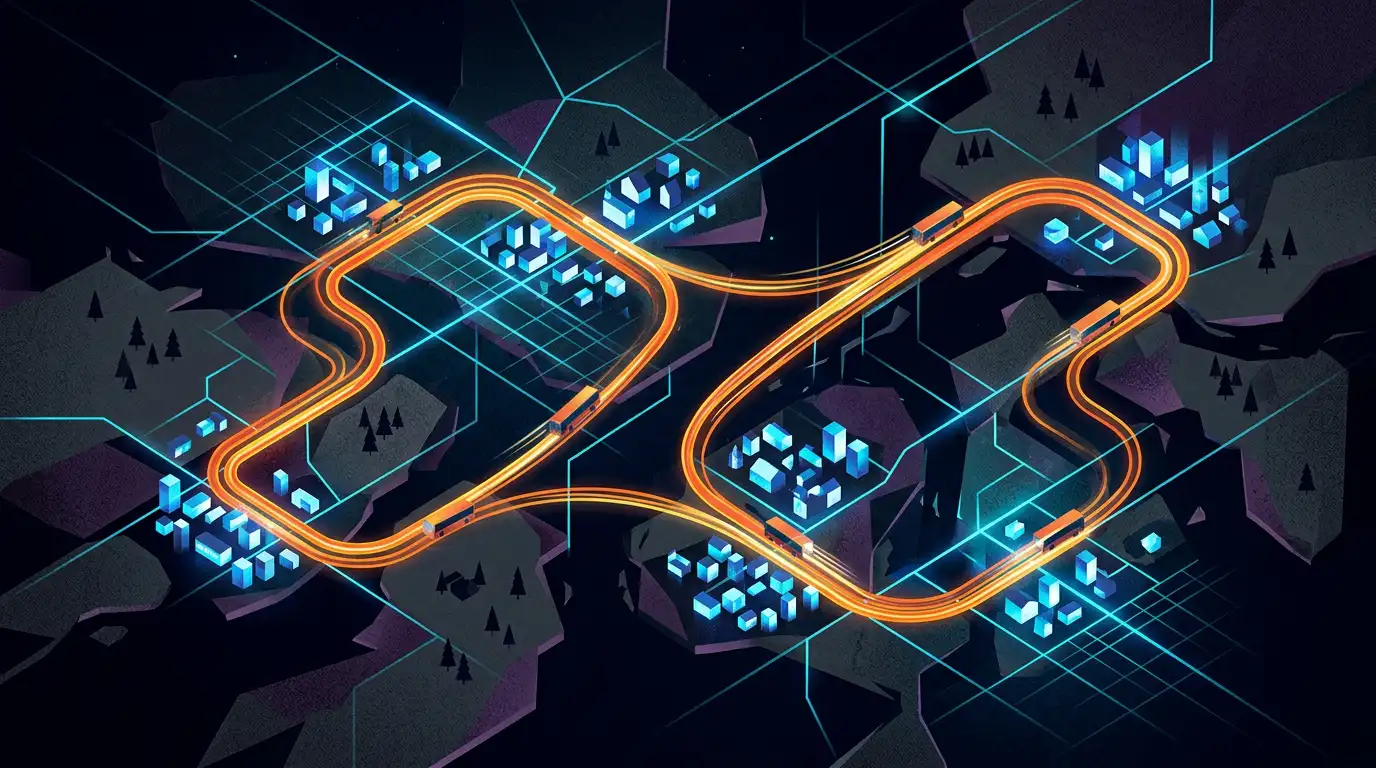
Hadleigh is the pivot point for this entire operation. Think of it as the regional hub where the spokes finally meet. From here, the new services branch out to provide the kind of connectivity that rural residents have been begging for.
Service 51 is the heavy lifter. It creates a direct line between Hadleigh, Bildeston, and Stowmarket. For anyone living in Bildeston, this isn’t just a new bus number; it’s a high-speed link to the rail connections and retail hubs in Stowmarket. Meanwhile, Service 52 handles the shorter, essential sprint between Hadleigh and the village of Aldham.
It’s an attempt to solve the "last mile" problem that makes rural life so frictionless for cars and so punishing for everyone else. Moving between neighboring towns shouldn't feel like a feat of endurance.
Marketing vs. Mechanics
Local officials are already leaning into the "game-changing" narrative. It’s a bold claim. As anyone who tracks infrastructure knows, "game-changing" is often just political shorthand for "we hope people actually use this."
The intent is noble, but the user experience remains a mystery. We’re still missing the granular data that actually matters to a commuter. Will these buses run on a tight 30-minute loop, or are we looking at a "twice-a-day" rarity? Who is the operator? These aren't just technicalities; they are the factors that determine whether a student can actually rely on the 51 to get to a 9:00 AM lecture.
In the tech world, we talk about "uptime." In Suffolk, uptime is simply the bus appearing when the timetable says it will. If these routes hit their marks, they might actually live up to the hype. If not, they’ll just be another footnote in the long history of failed rural transport experiments.
Physical Transit is the Original Broadband
We spend a lot of time obsessing over 5G dead zones and fiber-to-the-premises, but physical transit is the original high-speed connection. When you link Hadleigh to Stowmarket, you aren’t just moving bodies; you’re moving opportunities.
There is a certain irony to our current era: we can video-call someone in Tokyo in milliseconds, yet it can take three hours to travel ten miles to the next town over. These new routes are a physical patch for a glaring bug in our societal operating system.
It’s also a demographic necessity. You have pensioners who need a reliable way to reach a GP, and teenagers who just want a taste of independence that doesn't involve a parent’s car. In an era where rural services are usually being managed into the ground, seeing an expansion like this is a rare, refreshing pivot. It’s an admission that if you want a local economy to thrive, you have to let the people inside it move.
The Road Ahead
Success won't be measured by the ribbon-cutting on April 13. The real metrics will arrive in six months when we see the ridership numbers. We’ll know it’s working when people in Aldham stop talking about how isolated they feel and start taking the connection to Hadleigh for granted.
A bus route is ultimately a social contract. It’s a promise from the local authorities that you can participate in the world even if you don't own a car. Keeping that promise requires more than a launch date; it requires a long-term refusal to let these routes wither.
As the 51 and 52 prepare to launch, the big question is whether this is a one-off fix or the start of a broader strategy to revitalize Suffolk’s mobility. Either way, on April 13, the residents of these four towns will have a new way to get from A to B. In a world that often feels like it’s pulling apart, anything that brings us a little closer together is worth the fare.