The Saturday night silence in a studio apartment has a very specific frequency. You might have 500 followers on Instagram and a dozen active Slack channels, but trying to find one person for a spontaneous pint feels like trying to solve a Rubik’s Cube in a blackout. Making friends as an adult is a notoriously glitchy experience; it’s the only game where the tutorial ends at graduation and the difficulty spikes to "Expert" without a single warning.
Silicon Valley has finally smelled the loneliness. For a decade, the tech industry’s social efforts were obsessed with the "swipe right" mechanics of romance. But as the collective burnout from the dating app grind reaches a fever pitch, a new market is moving in. TechCrunch recently flagged a surge of apps promising to repair our fractured social lives, marking a pivot in how we view "social discovery." We aren’t just looking for The One anymore; we’re looking for The Many.
The Two Ways to Buy a Best Friend
The current market has split into two very different camps.
On one side, you have Direct Discovery, led by the likes of Bumble BFF. These apps rely on a logic we already know (and mostly hate): you build a profile, curate your "vibe," and start browsing. It is essentially the dating app interface wearing a platonic coat of paint. You hunt for someone who shares your taste in obscure synth-pop or long-distance running, hoping that a digital spark can survive the transition to a real-world conversation.
Then there is the newer, more physical model. Event-focused platforms like Timeleft are aggressively ditching the digital foreplay. Instead of matching you with a profile, these services organize actual human interactions—usually dinners with a group of total strangers. The goal is to kill the "performance" of a one-on-one friend date and replace it with the organic, slightly awkward friction of a group setting.
Solving for the "Anti-Scroll" Sentiment
There is a visceral sense of exhaustion with our screens right now. The "anti-scroll" sentiment is no longer a niche lifestyle choice; it’s a survival strategy. For most people, the idea of spending another week messaging a stranger only to have the conversation die on the vine is a total non-starter.
This is where the event-focused model wins. By moving the "meet" to the very beginning of the process, platforms like Timeleft act as social facilitators rather than digital billboards.
It’s a necessary correction. For years, we treated social media as a destination—a place to live. These new tools treat technology as a bridge. The value isn’t the app itself; it’s the moment you put the phone in your pocket and talk to the person across the table. They are trying to solve the "choice paralysis" that breaks traditional apps. When you’re shown a thousand profiles, you choose none. When you’re told to be at a specific table at 7:00 PM, you show up.
The Business of Being Platonic
Why is this happening now? Branding is half the battle. By explicitly marketing themselves as "not a dating app," these platforms lower the emotional stakes. Romantic apps carry a heavy tax of anxiety—the pressure to be hot, charming, and "on." Friendship apps, at least in theory, allow for a lazier, more authentic version of the self.
But this sector faces a unique hurdle: The Success Paradox.
On a dating app, if you find a partner, you leave. That’s a win. On a friendship app, the goal is to help you build a social circle. But once you have that circle, your need for the app vanishes. Keeping users engaged without making the process feel like a chore is the needle these companies have to thread if they want to survive.
The Reality Check
It isn't all easy connections and happy hour toasts. Safety remains the massive, awkward guest at the party. When you move the interaction from a screen to a restaurant or a hiking trail, the stakes for user security skyrocket. These companies are leaning heavily on verification methods, but the inherent risk of "stranger danger" is still baked into the code.
Then there’s the question of soul. As we outsource the mechanics of meeting people to algorithms and paid subscriptions, are we losing the "meet-cute" spontaneity that makes a friendship feel like kismet? There is a very real risk that we are turning human connection into just another transactional service—a monthly subscription to fix a systemic social problem.
The Long Game
Are these platforms a permanent fix or just a temporary band-aid for a lonely era?
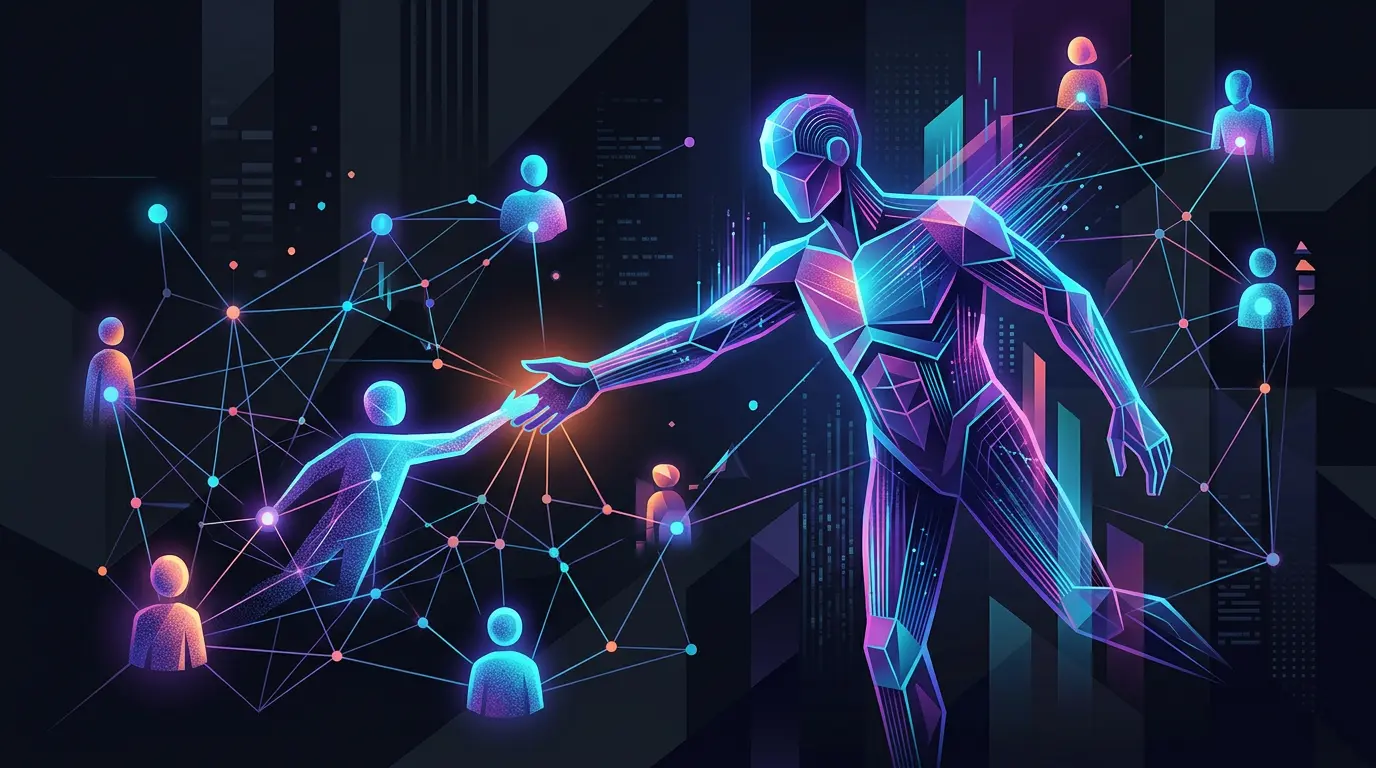
The market's growth suggests that the demand for intentional, human-centric tech isn't a fluke. We are moving toward a future where our "social graph" isn't just a list of people we knew in 2009, but an evolving network managed by the very devices that once isolated us.
The real test for these apps won't be their quarterly download numbers. It will be whether, a year from now, their users are still opening the app—or if they're too busy hanging out with the people the app helped them find. If these companies are truly successful, they should eventually become obsolete to their best customers.