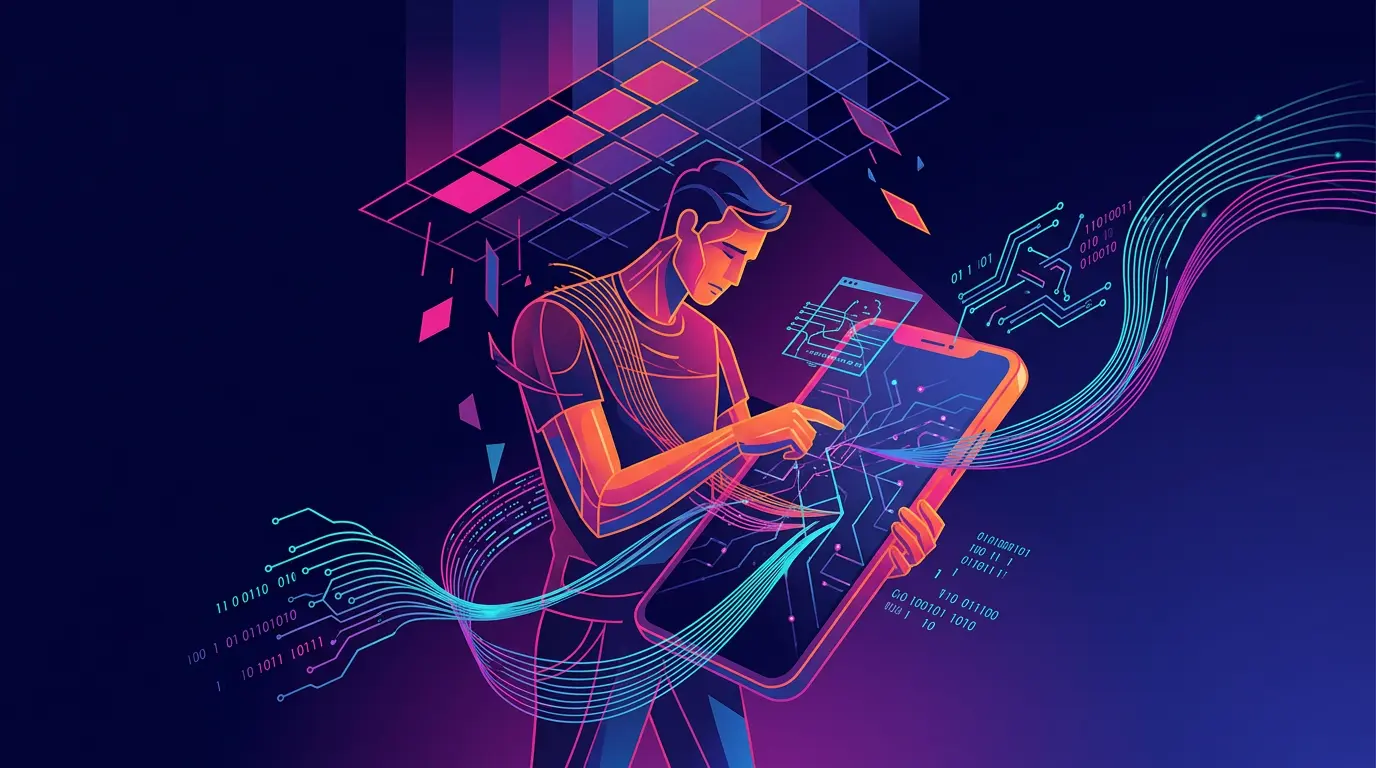
Since 2012, the repetitive left-left-right flick of the thumb has been the literal heartbeat of digital romance. But let’s be real: after a decade of swiping, that heartbeat is starting to feel more like a stress-induced twitch.
Tinder knows it. The company is finally reaching for a high-tech stethoscope to see if it can find a pulse in an era of massive user burnout.
According to internal reports, Tinder is currently testing a new feature cryptically titled "Chemistry." This isn’t just a fresh coat of paint or a UI tweak; it’s a calculated attempt to bake artificial intelligence into the very guts of the app. After ten years of letting users drive the car into the ditch, Tinder is trying to install an AI co-pilot that might actually know the way to a second date.
The "Chemistry" Experiment: Quality Over Chaos
For years, the Tinder experience has been a high-speed game of snap judgments. You see a face, skim a bio that probably mentions tacos or travel, and decide their fate in roughly 0.4 seconds. It’s efficient, sure, but it’s also remarkably hollow.
The "Chemistry" tool aims to slow things down. By using AI to handle the heavy lifting of matchmaking, Tinder is attempting to pivot from quantity to quality. They want to move away from the "lottery" feel of the app and provide suggestions that feel data-informed rather than just lucky.
It’s an attempt to solve the paradox of choice. By giving you fewer, better options, they hope to stop you from closing the app in a fit of "dating app fatigue" frustration.
Keeping the Swipe: The Classic Chassis
Despite the sophisticated tech humming in the background, don’t expect the interface to look like a scene from Minority Report just yet. Tinder is making one thing very clear: the swipe stays.
Think of it like a luxury car manufacturer swapping a combustion engine for a high-performance electric motor while keeping the iconic, recognizable body. The swipe is Tinder’s brand. It is the cultural shorthand that defined a generation’s approach to intimacy. Replacing it would be a gamble the company isn't ready to take. They want the app to feel smarter, but they don’t want it to feel like work.
The "Black Box" Problem
There is, however, a transparency issue. Tinder is being notably vague about what, exactly, this AI is looking at.
Is it analyzing the sentiment of your bio? Is it tracking the specific "type" of person you linger on? Is it monitoring how quickly you message people back to gauge your "dating energy"?
Right now, "Chemistry" is a black box. In an era where users are increasingly skeptical of how their data is used to manipulate their behavior, Tinder will eventually have to show its work if it wants to earn long-term trust.
Curing the Doomscroll
This move comes at a do-or-die moment for the industry. "Dating app fatigue" isn't just a buzzword; it’s a genuine shift in how people spend their time. Many users feel like they are simply doomscrolling through humans—trapped in a loop of matches that go nowhere and conversations that die before the first "hello."
It’s the digital equivalent of a party where everyone is shouting but nobody is listening.
By promising a "more personalized quest," Tinder is trying to position itself as the solution to this exhaustion. If the AI can successfully filter out the noise and present you with people you actually want to talk to, it could save the platform. In a market where apps like Hinge brand themselves as being "designed to be deleted," Tinder needs to prove it can still facilitate a spark, not just an endless scroll.
Can an Algorithm Feel the Spark?
As Tinder leans into an AI-curated future, we have to ask the big question: Can code actually replicate human chemistry?
Real-world attraction is often found in the things that shouldn’t work on paper—the weird quirks, the niche interests, or the way someone’s terrible jokes somehow land perfectly. If an algorithm gets too good at matching us with people "just like us," we might lose the messy serendipity that makes falling in love interesting.
On the other hand, if an AI can help us skip the first ten bad dates of the month, most of us would probably sign up in a heartbeat. The success of this experiment won't be measured in lines of code, but in whether users feel they’ve found a partner or just another layer of data-driven friction.
Will "Chemistry" lead to more weddings, or just more time staring at a screen? The test is live, and the results will define the next decade of how we find each other.