The Morning Deployment
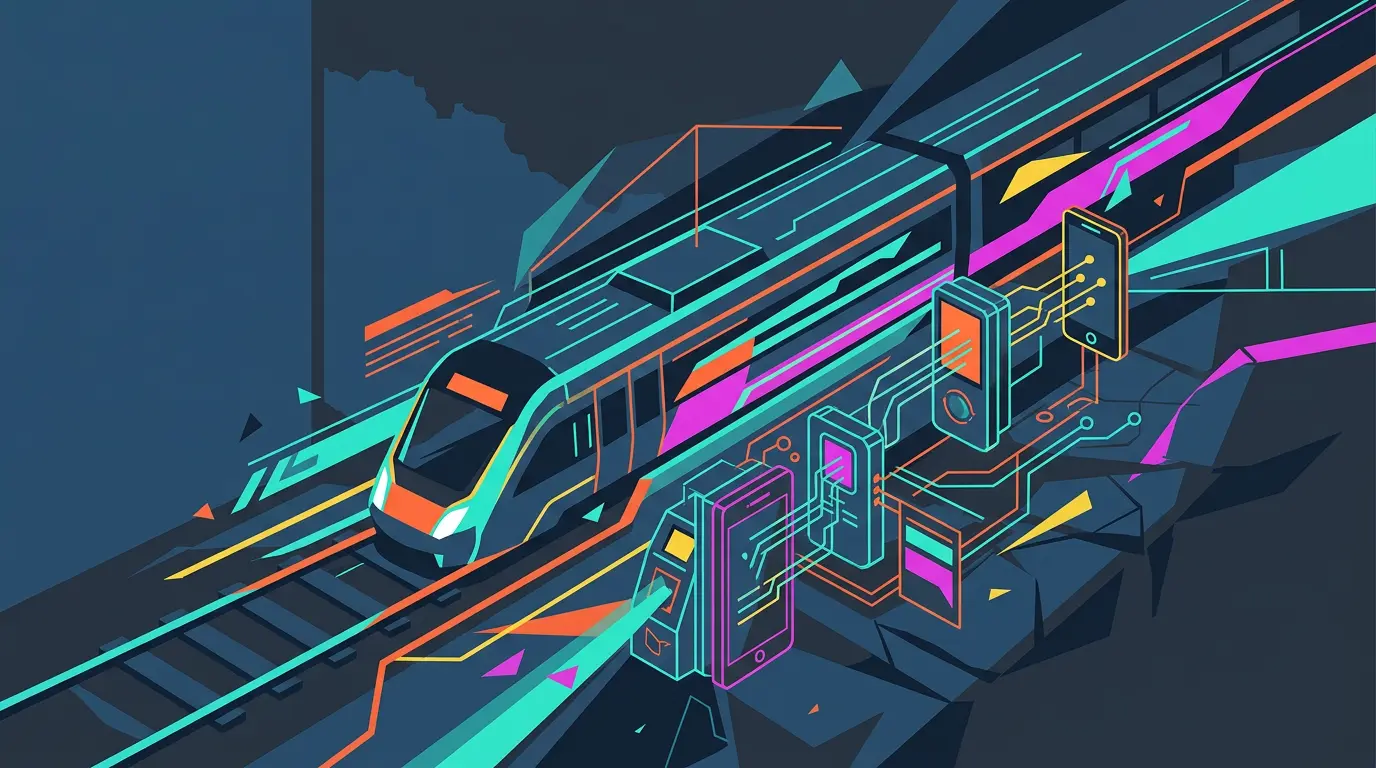
Commuters on the Craigieburn, Upfield, Ballarat, and Seymour lines did not wake up to the usual signaling faults or platform changes today. Instead, they were greeted by a live-fire deployment of a brand new ticketing system. If you have ever pushed code to production on a Monday morning, you know the feeling. It is a specific cocktail of optimism mixed with the quiet dread that something, somewhere, is about to break under the weight of real world traffic.
Reports from 3AW confirm this trial is a major shift for thousands of passengers. These four lines were not chosen at random. They are high volume corridors that serve as a brutal stress test for new infrastructure. If a system can survive a 7:30 AM rush on the Craigieburn line, it can survive just about anything.
The Black Box Architecture
From a developer perspective, the most frustrating part of this rollout is what we do not know.
The official word from transport authorities describes this as a major shake up, but the technical documentation remains a black box. We do not have the specifics on the hardware or the software stack sitting behind those new readers. Are we finally looking at a true account based system? Is this the long awaited shift toward native NFC integration for mobile wallets, or is it just a localized patch on a legacy framework?
Swapping out a ticketing system is like trying to replace a plane engine while it is at thirty thousand feet. You have to maintain state across thousands of touchpoints while ensuring that the latency for a single tap remains under the psychological threshold of a few hundred milliseconds. If the reader hesitates, the station becomes a parking lot.
Edge Cases in the Wild
Choosing this specific mix of lines shows a clear intent to test diversity in the network. You have the dense, stop and go suburban traffic of the Upfield line contrasted with the long distance, regional requirements of the Ballarat and Seymour routes. These regional lines introduce fascinating edge cases, such as handling zone transitions and intermittent connectivity in rural areas where the signal might drop out in the middle of a paddock.
Coding is often the easy part. The real hurdle is the user flow.
A new ticketing system is essentially a new UI for a physical action. If the feedback loop (the beep, the light, or the screen prompt) is even slightly different from what passengers have used for a decade, you get friction. You get queues. You get a bottleneck at the gate that ripples back through the entire station.
Live-Fire QA
This trial is the ultimate QA session. While labs and sandboxes are great for catching logic errors, they cannot simulate the sheer unpredictability of a rainy Monday morning in Melbourne.
We are talking about thousands of unique interactions every hour. There are people with cards buried in thick leather wallets, people trying to use five year old phones, and people who are simply in too much of a hurry to wait for a slow processor to handshake with a backend server.
Early reports suggest that passengers will notice a major change this morning, though the specifics remain under wraps. This lack of detail is a classic move in public infrastructure rollouts. It keeps expectations vague while the team on the ground monitors the telemetry. They are looking for tap failure rates, processing lag, and any hardware hiccups that only appear when a thousand people hit the sensors in a twenty minute window.
The Cost of Progress
Victoria’s ticketing infrastructure has felt like a legacy monolith for years. It is clunky, proprietary, and increasingly out of sync with how we use technology in every other part of our lives. Moving to a new system is expensive and , but staying on an aging platform is eventually fatal for network efficiency.
There is always a trade off when you move from the familiar to the new. Commuters might face a learning curve this week, and there will almost certainly be technical glitches that need to be patched in real time. However, this is how you build modern systems. You ship, you gather data, you iterate, and you scale.
We are watching the decommissioning of a legacy system in real time. The question is whether the new tech will be a seamless upgrade or if the transition will create more friction than it solves for the average traveler. As the logs start rolling in from the first day of testing, we are about to find out if a digital future is worth the price of a more stressful morning commute.