Modern gaming feels less like owning a library and more like renting a seat at a table that the landlord can reclaim at any moment.
We have entered an era where buying a game is no longer an act of ownership. Instead, it is a temporary license to beg a server for access. If your internet blinks, or if a publisher decides the electricity bill for the servers has finally outweighed the player count, your seventy dollar purchase becomes a very expensive plastic coaster. This is the reality of the live-service treadmill, and frankly, the market is getting exhausted.
The Power of the Disc
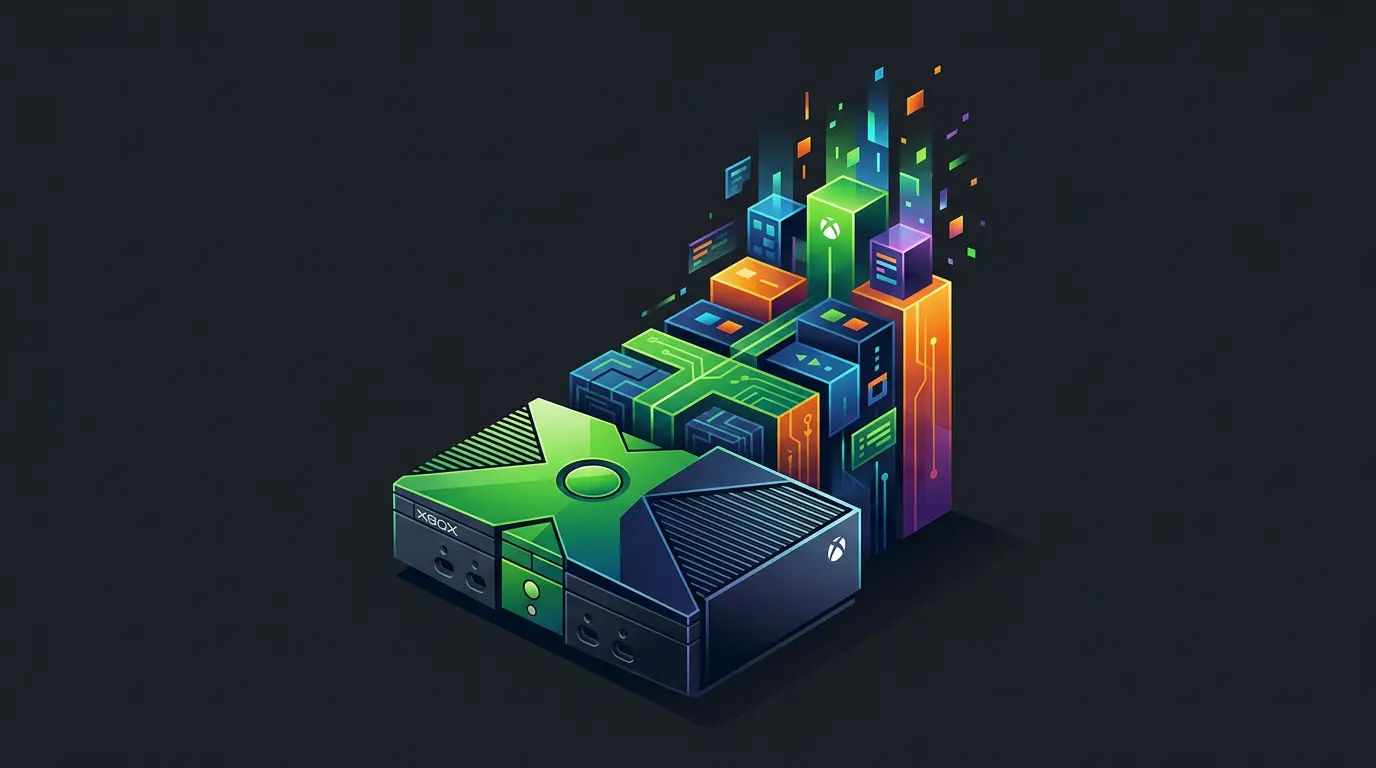
While most of the industry treats its history like a collection of awkward teenage photos to be hidden away or sold back to us as "Remastered" editions, Microsoft has done something different. They have turned legacy content into a foundational pillar of the Xbox ecosystem.
There is something genuinely satisfying about sliding a disc from 2009 into a Series X and watching it just work. It is more than a convenience. It is a powerful statement about the longevity of things we buy.
Journalist Ben Kerry recently highlighted this when he went back to the classic Call of Duty catalog on modern hardware. Kerry admitted to being a sucker for the nostalgia of Modern Warfare 2 and the timelessness of the original Black Ops Zombies mode. His experience points to a hard truth for the industry. The games we played a decade ago often feel more "finished" and reliable than the bloated, buggy releases hitting shelves today.
A Sanctuary from the Server
The real kicker is that these games actually work without the internet. In an industry obsessed with telemetry and mandatory check-ins, these legacy Call of Duty titles remain fully playable in an offline state on current-generation Xbox consoles.
This is a rare luxury in the modern shooter category. For a player who wants to run a campaign or a specific mode without worrying about server lag or matchmaking queues, these older titles offer a sanctuary.
Kerry’s rediscovery of a forgotten Horde mode underscores a vital point for the Xbox business model. Microsoft now sits on the massive Activision Blizzard library, and by ensuring these games remain functional, they are effectively insulating their hardware against the boom-and-bust cycles of the modern release calendar. If the latest seasonal update for a modern shooter flops, players do not necessarily pack up and leave for another console. They simply retreat into the reliability of the classics.
Seamless Preservation
From a technical standpoint, the Xbox approach is remarkably smooth. There are no clunky emulation menus or complex configuration steps to navigate. The system treats a game from fifteen years ago with the same priority and respect as a title released last week.
This lack of friction is what keeps people coming back. When jumping into a round of Zombies is as easy as opening Netflix, the barrier to nostalgia effectively disappears.
This preservation strategy also fixes the "digital sunset" problem. We have seen other industry giants struggle with the optics of closing old stores, which often results in the total loss of digital libraries for their customers. Microsoft’s commitment to making these titles work across generations builds a level of trust that is hard to quantify. It tells the customer that their investment today will still have a home in 2035.
We have to wonder if the current trajectory of the industry is sustainable. If every major release requires a constant connection and a rotating door of seasonal content, we are essentially building our gaming history on shifting sand. The ability to play offline is becoming a premium feature rather than a standard expectation.
Microsoft’s focus on backwards compatibility proves that there is a market for permanence. While the rest of the industry chases the next viral hit, there is immense stability in providing a platform where the past is never truly gone. The true value of a digital library might not lie in high-fidelity graphics or complex AI. It might be found in the simple, radical ability to turn off the internet and still have a game that works. In the next decade, the companies that respect where they came from will be the ones that own the future.