We have all felt that specific pang of annoyance when the red notification badge appears on the Settings icon. It usually means the next hour of your life is forfeit to a progress bar and a black screen. For years, Apple forced a binary choice on us. You could either remain vulnerable to a known exploit or stop everything you were doing to install a multi-gigabyte monolithic update.
Thankfully, that era is finally starting to fade.
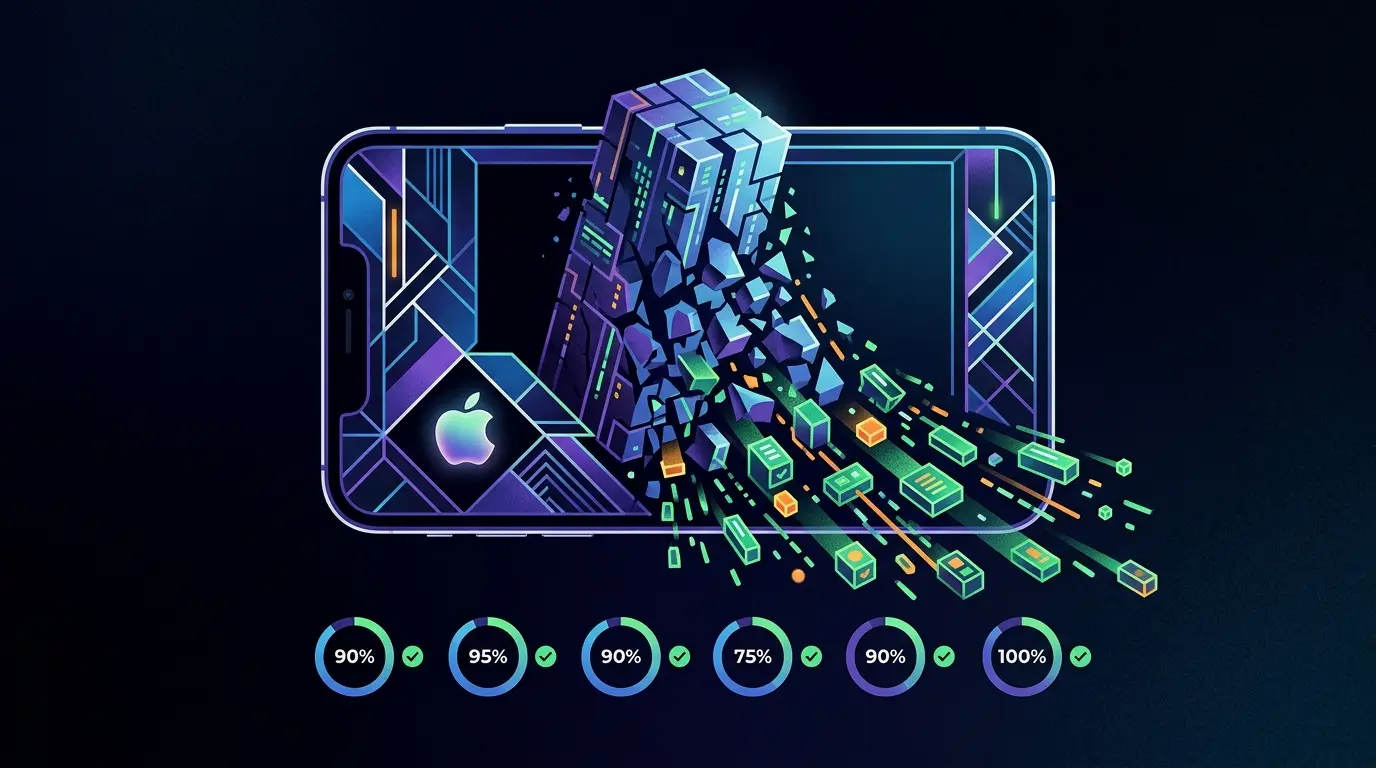
Apple has officially rolled out a new mechanism called Background Security Improvements. This initiative allows the company to push out critical patches to iOS, iPadOS, and macOS without requiring a full operating system version jump. It is a surgical approach to security. From an architectural standpoint, it is the smartest move the company has made in years.
Breaking the Monolith
In the old days, Apple’s software updates were massive, all-or-nothing affairs.
If a vulnerability was found in a core library, you had to wait for the next scheduled release of iOS or macOS to get the fix. This created a massive bottleneck. Security teams might have a fix ready in hours, but the release engineering required to ship a full OS build meant users stayed exposed for weeks.
By pulling these patches apart, Apple is moving toward a more modular infrastructure. The company says these updates are designed to deliver lightweight security releases for components like the Safari browser, WebKit framework stack, and other system libraries. This is exactly how modern software should behave. We do not rebuild the entire car just to replace a blown fuse, and we should not have to reboot an entire laptop to patch a browser engine.
Why WebKit is the Primary Target
If you look at the CVE (Common Vulnerabilities and Exposures) tracker for any given year, WebKit is almost always the star of the show. Because WebKit handles how your device renders web content, it is the primary front door for attackers. A single bug in how a script is processed can lead to remote code execution.
By isolating WebKit and making it independently updatable, Apple is essentially hardening the perimeter without touching the house. This reduces the time to patch. When a zero-day exploit is discovered in the wild, every hour that passes before a fix is deployed increases the risk to the user base. These lightweight patches allow Apple to move with the agility of a startup rather than the slow, grinding gears of a trillion-dollar hardware giant.
The Developer Experience Shift
Having spent years looking at how complex systems fail, I find this shift fascinating. In the world of backend development, we moved from monoliths to microservices specifically to avoid the problem where everything breaks at once. Apple is now applying that logic to the consumer OS.
For the folks writing the code, this is a win for stability. When you update the entire OS, you risk regressions in thousands of unrelated APIs. When you push a 10MB patch specifically for a system library, the blast radius is significantly smaller. It allows for more frequent, lower-risk deployments. It is the closest thing to a continuous deployment pipeline that we have ever seen in a consumer operating system.
Managing the Background Silent Run
The most striking thing about this rollout is that it happens in the shadows.
Apple intends for these to be silent. Most users will likely never even know their devices were patched. While some privacy advocates might raise an eyebrow at software changing under their feet without a prompt, the security tradeoff is undeniable.
This does, however, put a massive burden on Apple's QA teams. These small updates must be perfect. If a background patch for a system library breaks a third-party app, the user will have no idea why their phone suddenly started crashing. There is no easy roll-back button for a background security improvement. Apple is betting on its ability to test these surgical strikes with extreme precision.
The Future: Is the Version Number Dead?
We are moving toward a world where the version of your OS matters less than the state of your security components. This shift could eventually land us in a spot where the "Big Fall Release" is more about marketing and UI than it is about fundamental system health.
Is this the beginning of the end for the traditional major update cycle? We might be approaching a future where our devices are always current, silently evolving while we sleep, rendering the chase for the latest version number a relic of the past. For now, I am just happy I won't have to watch a spinning gear for twenty minutes just to stay safe from a malicious website.