The 385TB Handshake
History might be written by the victors, but these days, it is being saved by the seeders. We usually treat "the cloud" like an abstract, untouchable concept, but the reality of digital preservation is much more tactile and precarious. This week, the preservation project known as Myrient reached a milestone that should make any database architect or software historian stop what they are doing.
The community has officially declared a 385-terabyte archive of video game software as 100 percent backed up and validated. This is not just a collection of files sitting on a single server in a basement. It is a massive, verified dataset that is now transitioning into a decentralized distribution phase via BitTorrent.
From a technical standpoint, the scale here is difficult to wrap your head around. 385TB is roughly 385,000 gigabytes of data. If you tried to download that on a standard home connection, you would be waiting for years.
But the real achievement isn't just the raw storage capacity. Any hobbyist with a rack of high-capacity drives can hoard data. The real victory is the validation. In the world of long-term storage, "bit rot" is the silent killer. Over time, magnetic charges flip or sectors fail, leading to corrupted files that won't open. Myrient’s announcement that the archive is fully validated means every single bit has been checked against a known good state. This ensures that the code we are saving today will actually run when someone tries to boot it up fifty years from now.
Architecture Without a Single Point of Failure
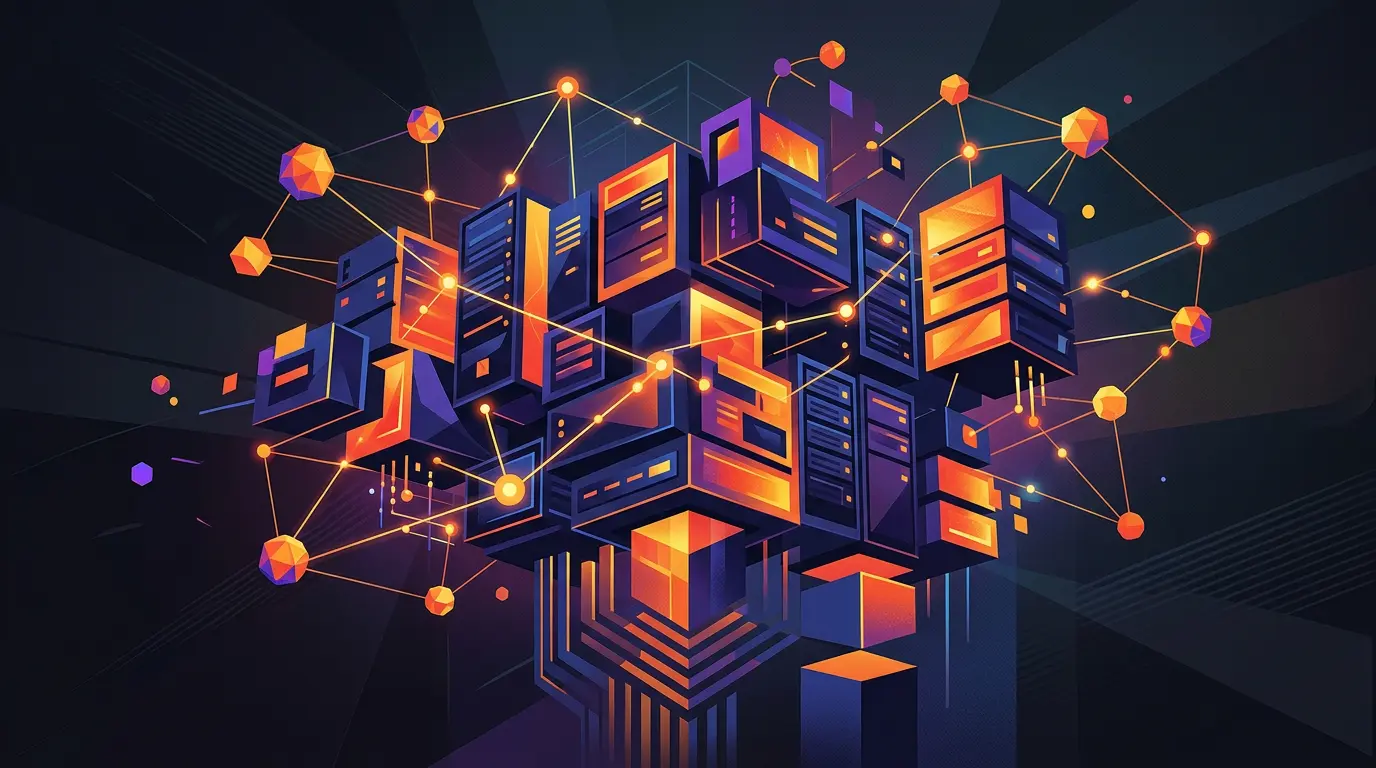
The move to generate public torrents is the most critical part of this entire roadmap. For years, digital archives have lived in a state of constant anxiety. If a project relies on a centralized server, it is one DMCA takedown or one hardware failure away from vanishing forever. By shifting to a peer-to-peer model, Myrient is effectively building a redundant, globally distributed storage array.
When these torrents are fully deployed, the archive will no longer live in a single "place." Instead, it will exist as a fragmented, resilient web across thousands of individual computers. This is the ultimate high-availability strategy.
As long as a handful of people are seeding these files, the history of gaming remains accessible. This architecture turns the users into the infrastructure. It is the only way to ensure survival when you are operating outside the grace of corporate gatekeepers who would rather see this data deleted.
The Developer Experience of History
As a developer, I look at these archives and see more than just old entertainment. I see the evolution of logic, optimization, and creative problem-solving. Every game in that 385TB library represents a specific moment in the history of computer science. These are binaries written for architectures that no longer exist, utilizing tricks that have been forgotten by the modern abstraction layers we use today.
When we lose these files, we lose the ability to study how early programmers squeezed every drop of performance out of limited hardware.
There is a specific kind of frustration in trying to access legacy code only to find a 404 error where a repository used to be. The community-led effort here is essentially providing a clean, validated API for history. By ensuring the integrity of the data and distributing it via BitTorrent, Myrient is creating a developer experience for historians that is far superior to anything offered by official channels. You do not have to jump through licensing hoops or pray that a legacy storefront stays online. You just pull the data and it works.
Why We Can’t Trust the Titans
We have to ask a difficult question here. Why is a group of volunteers and fans doing the heavy lifting that billion-dollar corporations refuse to touch?
We have seen a recurring pattern where major publishers shut down digital storefronts, effectively orphaning thousands of pieces of software. They treat these games as temporary licenses rather than cultural artifacts. To a corporation, a twenty-year-old game is a liability or a legacy cost. To the community, it is a piece of our collective identity.
If a group of volunteers can manage the logistics of a 385TB validated archive, there is no technical or financial excuse for the giants of the industry to let their back catalogs rot. The reality is that corporate interests are rarely aligned with permanent preservation. They prefer controlled scarcity, where they can sell you the same title every ten years on a new subscription service. Myrient’s success proves that we do not have to accept that model. We have the tools to build our own libraries.
The Long View of Data
This milestone is a blueprint for the future of all digital media.
We are living through a period of extreme digital fragility. Links are breaking, servers are being wiped, and history is being erased by corporate neglect. The Myrient project shows that decentralized, community-driven efforts are the most effective defense we have against this erasure.
As the public torrents begin to circulate, these 385 terabytes will become part of the internet’s permanent record. It is a reminder that in the battle against digital decay, the most powerful tool we have is a distributed network of people who actually care about the source code. The question now is whether we can apply this model to other areas of our digital lives before the platforms we rely on today decide to pull the plug.