Forget the synthetic benchmarks. Ignore the curated demos that look like digital sorcery. We are finally moving out of the laboratory phase of generative AI and into the messy, friction-filled reality of the white-collar workplace. If you spend your time staring at the Open LLM Leaderboard, you might think we have already automated professional labor. But if you talk to a software engineer at Amazon or a tenured professor at a major research university, you will get a much grittier story.
Blake Montgomery, the host of TechScape, recently noted that we are finally examining how AI is changing the day-to-day grind of American work. This isn't about what a model can do in a vacuum. It is about what happens when you drop that model into a production environment or a crowded lecture hall. The results are less like a seamless upgrade and more like a high-stakes wrestling match.
The Professor as a Content Curator
In the academic world, the traditional way of doing things is under immense pressure. University professors are no longer just fountains of knowledge or graders of essays. They are becoming curators of AI-generated content. This shift is about more than just catching a student using ChatGPT to fake a midterm. It goes deeper than that. Professors are now forced to navigate a world where the very definition of academic integrity is fluid.
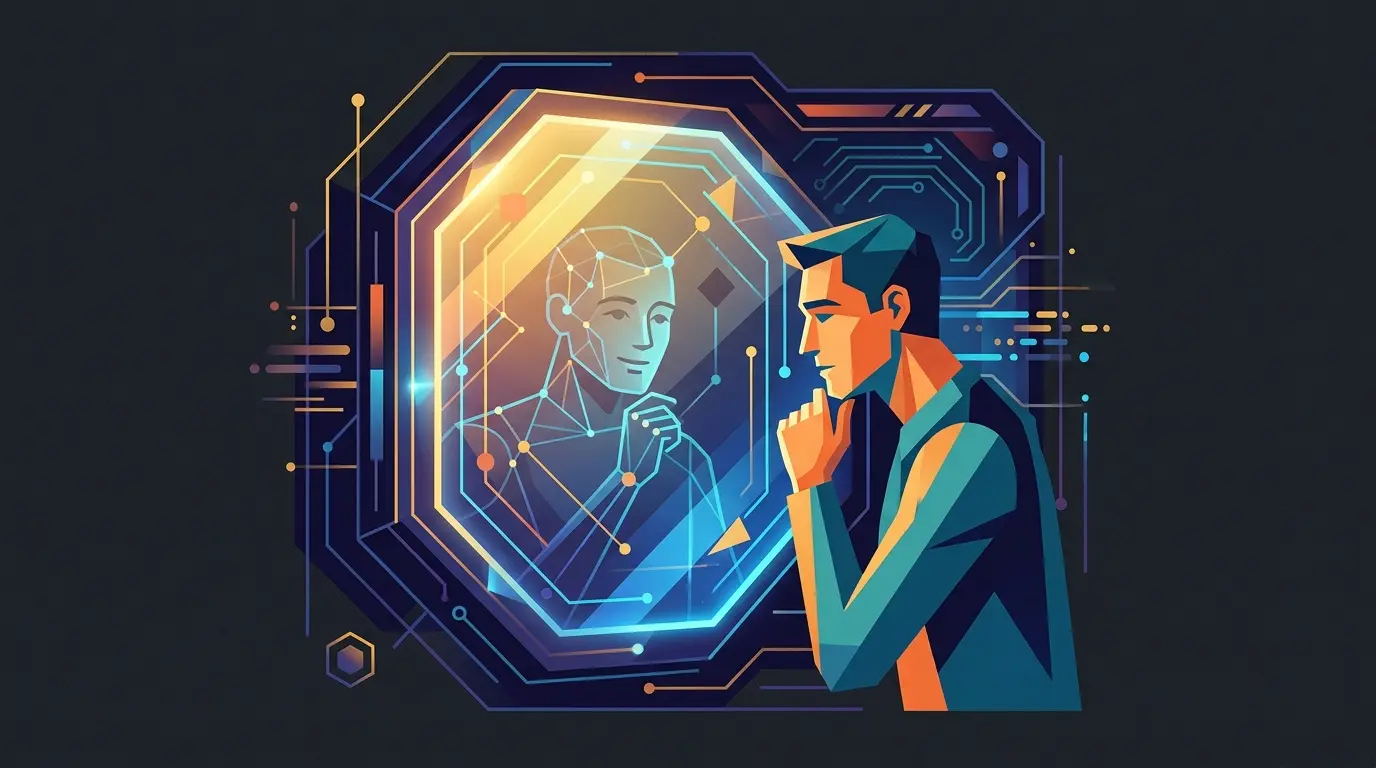
The tension between human expertise and automated assistance feels almost existential.
When a researcher can use an LLM to synthesize a thousand papers in seconds, the value of the human in the loop changes. The professor's role is shifting toward verifying the hallucinations of a probabilistic parrot. It is a grueling, unglamorous form of labor that no one really prepared for. They are wrestling with how to teach critical thinking when the tools are designed to provide answers without the thinking part.
The Corporate Coder: Auditing the Machine
Meanwhile, in the corporate trenches at Amazon, the software engineer is evolving into something else entirely. We have talked before about the Great AI Coding Audit and whether tools like Cursor AI actually deliver on those massive productivity claims. At Amazon, the daily responsibilities of coders are being rewritten in real time.
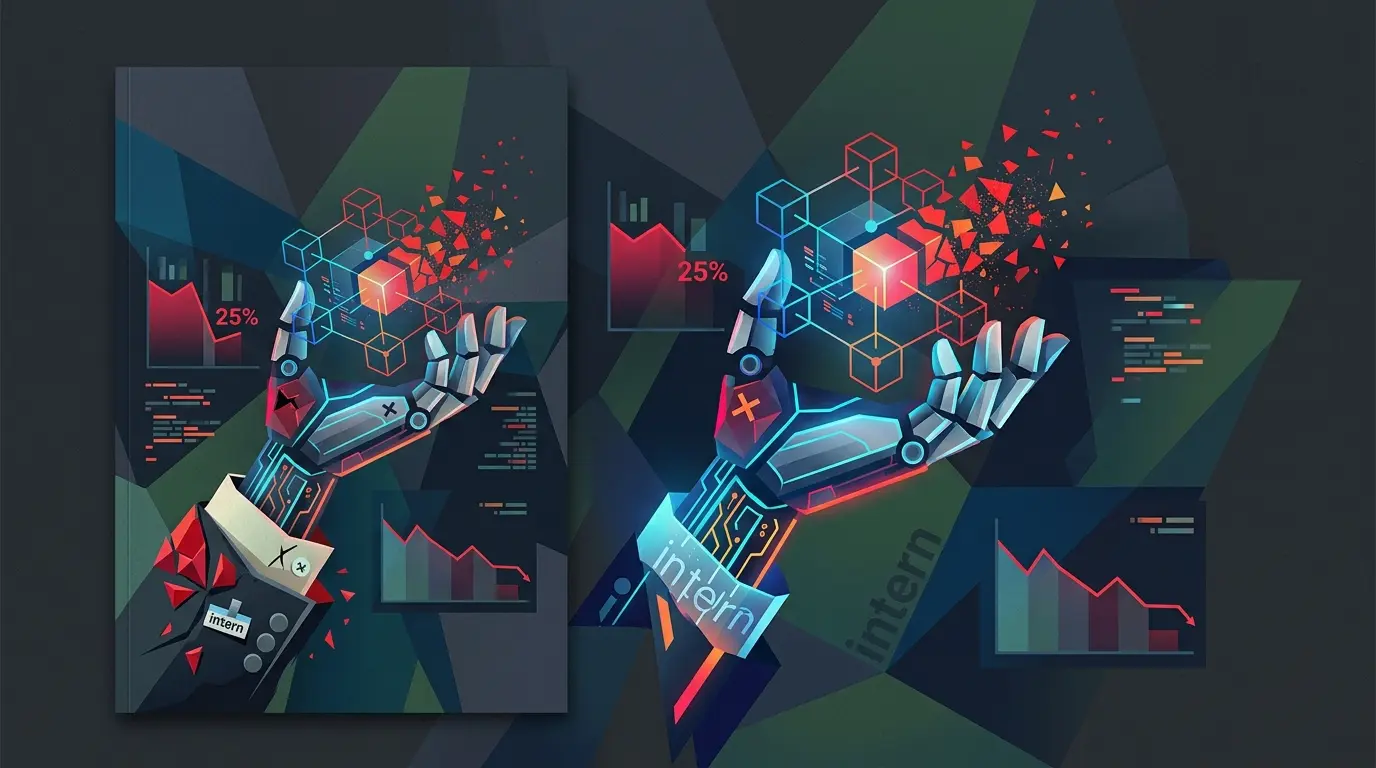
Instead of writing fresh logic from scratch, many engineers find themselves acting as high-level auditors. They spend their hours managing the output of automated assistants, fixing the subtle bugs these models introduce, and trying to keep technical debt from spiraling out of control. It is a fundamental shift from creation to maintenance. As an AI researcher, I find this particularly fascinating. We are essentially using our most expensive human capital to supervise the mistakes of our most expensive compute resources.
Then there is the Context Tax.
When your AI agent starts eating 55,000 tokens per session just to understand the codebase, the efficiency gains start to evaporate. Amazon engineers are the first ones feeling the heat of this operational layer. They are the ones who have to make sure the code actually runs when the magic stops.
The Systemic Transformation
The most striking thing about this disruption is how universal it is. Whether you are in an ivory tower or a glass-walled office in Seattle, the struggle is identical. We used to think that certain sectors were AI-proof because they required high-level reasoning or deep expertise. That idea is dying. White-collar labor is undergoing a total recalibration.
There is a broader, darker context to this shift. Reportedly, there is a growing appetite for AI in warfare and a mounting strain on infrastructure, such as the so-called phantom datacenters in the United Kingdom. These are the hidden costs of the AI era. We are building a world that requires massive amounts of energy and compute to perform tasks that humans used to do with a cup of coffee and a legal pad.
A Personal Observation
As someone who spends a lot of time looking at weights, biases, and transformer architectures, I think we have spent too much time focusing on the intelligence part of AI and not enough on the integration. The most difficult part of the transition is not the model itself. It is the human workflow it disrupts. We are essentially trying to swap the engine of a plane while it is at 30,000 feet.
The professional identity of both the academic and the engineer is being rewritten by the same tools. This leads to a provocative question we have to face. Are we witnessing the slow death of specialized expertise? Or are we seeing the birth of a new, AI-augmented class of worker defined not by what they know, but by how well they can manage the machine?
The wrestling match has only just begun. The winner will not be the person with the fastest model, but the person who figures out how to live with it without losing their mind or their craft.