Your door gets kicked in not because of a witness, but because of a line of code. It sounds like a bad sci-fi script, but for one elderly woman, it was a six month reality. According to reports circulating on Reddit, a grandmother was recently locked up for half a year because an AI facial recognition system flagged her as a criminal. It was a false positive. This isn't just a technical glitch. It is a total collapse of human oversight. Law enforcement has developed a dangerous habit of treating algorithmic guesses as divine truth.
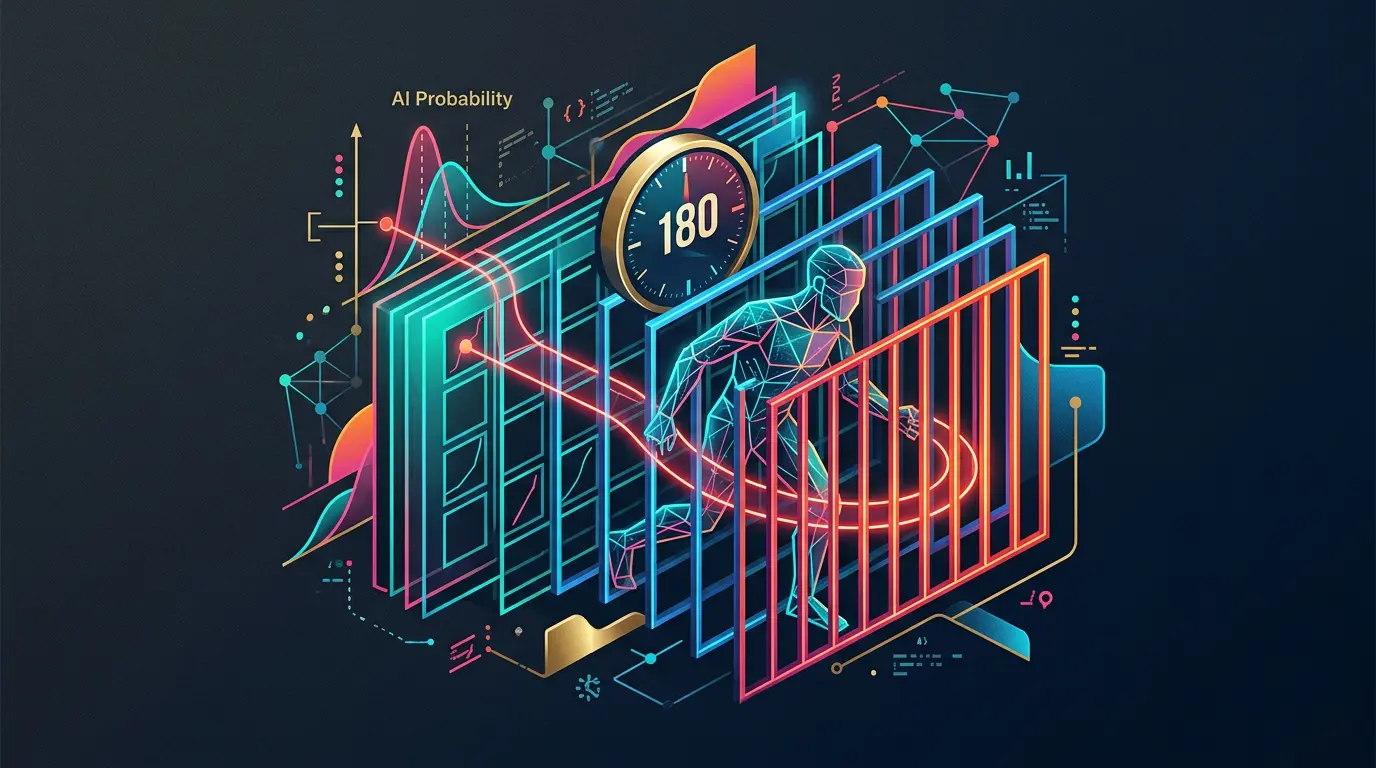
Six months is an eternity when you are in the later stages of your life. The reports indicate this individual (whose name remains hidden due to the secretive nature of these legal filings) was held for 180 days before the mistake was finally caught. The tech industry loves to talk about optimizing for efficiency, but we rarely discuss the human cost of a wrongful arrest. A grandmother with no criminal history was stripped of her freedom because a neural network found a similarity score that crossed a certain threshold. In a lab, that is a false positive. In the justice system, it is a tragedy. No software patch can fix the trauma of being trapped in a cell for half a year while the world ignores your innocence.
Opening the Black Box
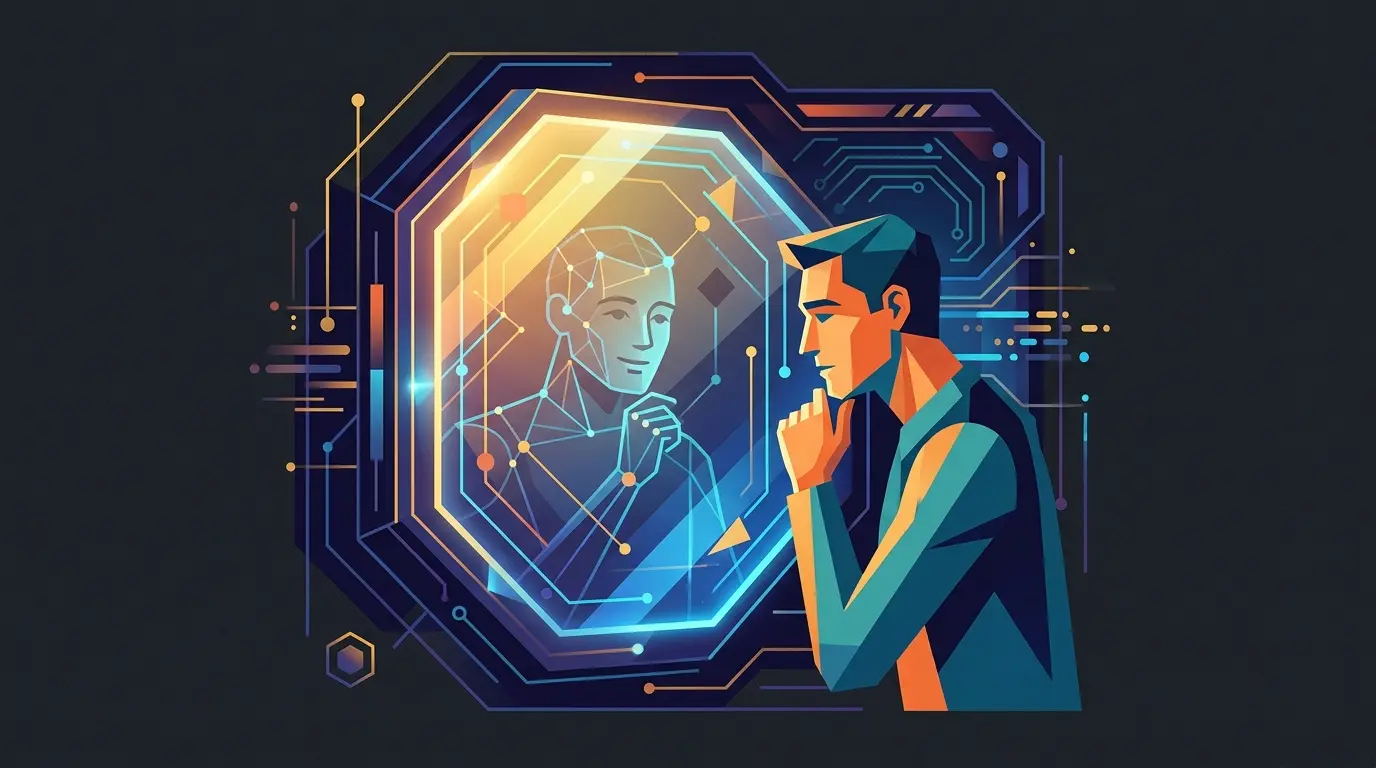
We need to be honest about the fact that facial recognition is still a work in progress. These models rely on embeddings, which are just numerical representations of facial features. They are easily confused by poor lighting, low resolution cameras, or the simple process of getting older. There is also the glaring issue of demographic bias. Most training data is skewed, leading to much higher error rates for women and people of color.
The real danger is the black box effect. When police use proprietary software, defense teams are often barred from inspecting the code or the training data. If a vendor claims there is a match, a lawyer cannot cross examine an algorithm. We are essentially asking citizens to prove their innocence against a machine that cannot explain its own logic. If the software reports a 92 percent match, most officers do not see the 8 percent chance of failure. They just see a reason to put someone in handcuffs.
The Accountability Gap
The lack of transparency here is infuriating. We still do not know which vendor provided the software or which precinct made the arrest. This anonymity is a feature of the market. Many agencies sign private contracts that shield these tools from public audits or independent tests.
Automation bias has officially gone too far. This is the human tendency to trust a computer over common sense. An AI match should be the start of an investigation, never the conclusion of one. In this case, the algorithmic lead was treated as the only evidence needed to keep a woman behind bars for months. If a human witness was as unreliable as these models, they would never be allowed to testify.
A Call for Algorithmic Guardrails
We have to stop pretending these models are ready for high stakes deployment. We need legislation that classifies facial recognition matches as investigative leads only. They should be legally inadmissible as primary evidence for an arrest warrant.
Any AI system used by the government must also be subject to mandatory third party auditing. If a company wants to profit from public safety, they have to open their black box to the public. We cannot allow the rule of law to be replaced by the rule of the algorithm.
Efficiency is a poor substitute for justice. If we cannot explain why a machine thinks someone is a criminal, we have no right to use that machine to take away their freedom. The question is no longer whether the technology works. It is whether we have the wisdom to know when to ignore it.