Capcom is currently the industry’s most consistent hit factory. They are operating with a kind of terrifying precision that most development houses only dream of achieving.
The streak started in earnest with the 2018 launch of Monster Hunter World, which became their best-selling game of all time. Since then, they have reinvented Street Fighter with a massive sixth entry and revitalized Resident Evil through a string of top-tier remakes and sequels. But for those of us working in the AI research space, Capcom’s latest pivot is the one that actually feels personal.
From Biological to Algorithmic Dread
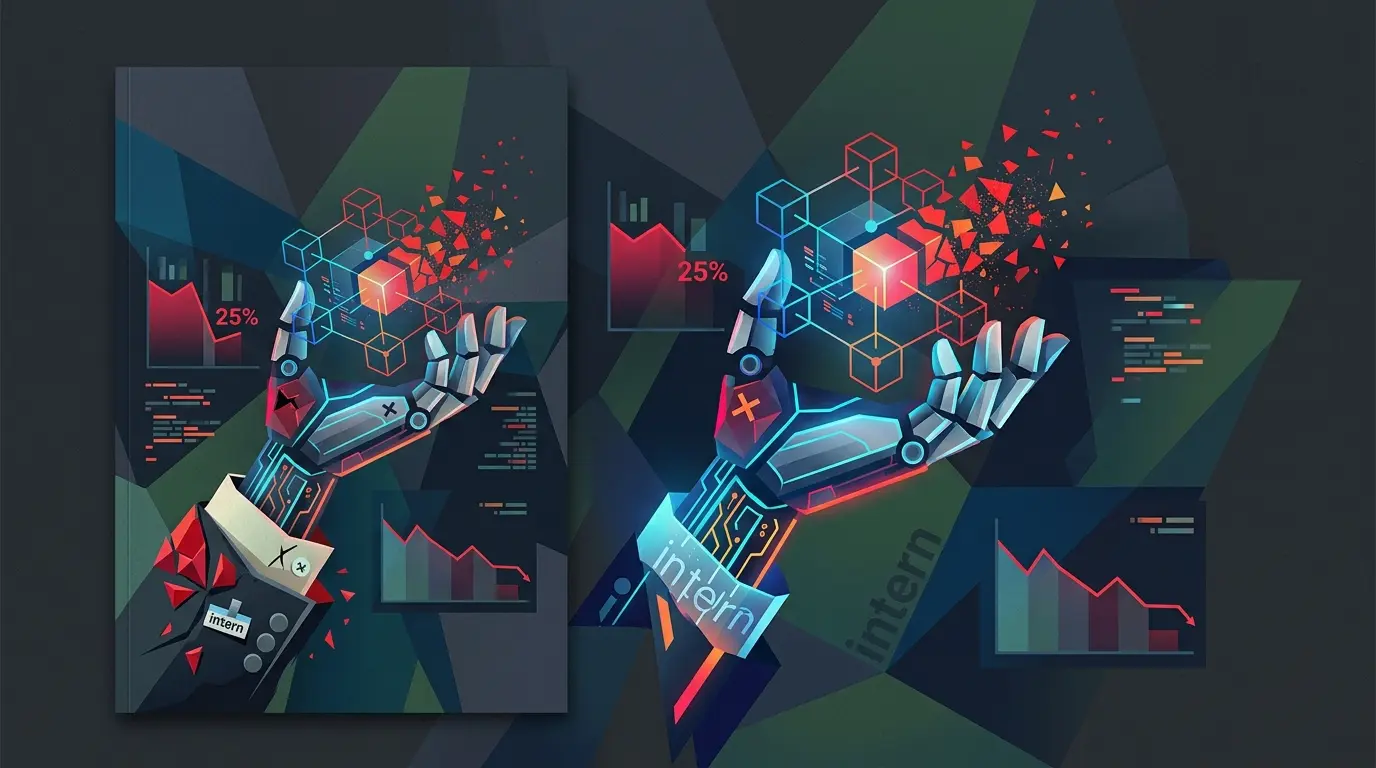
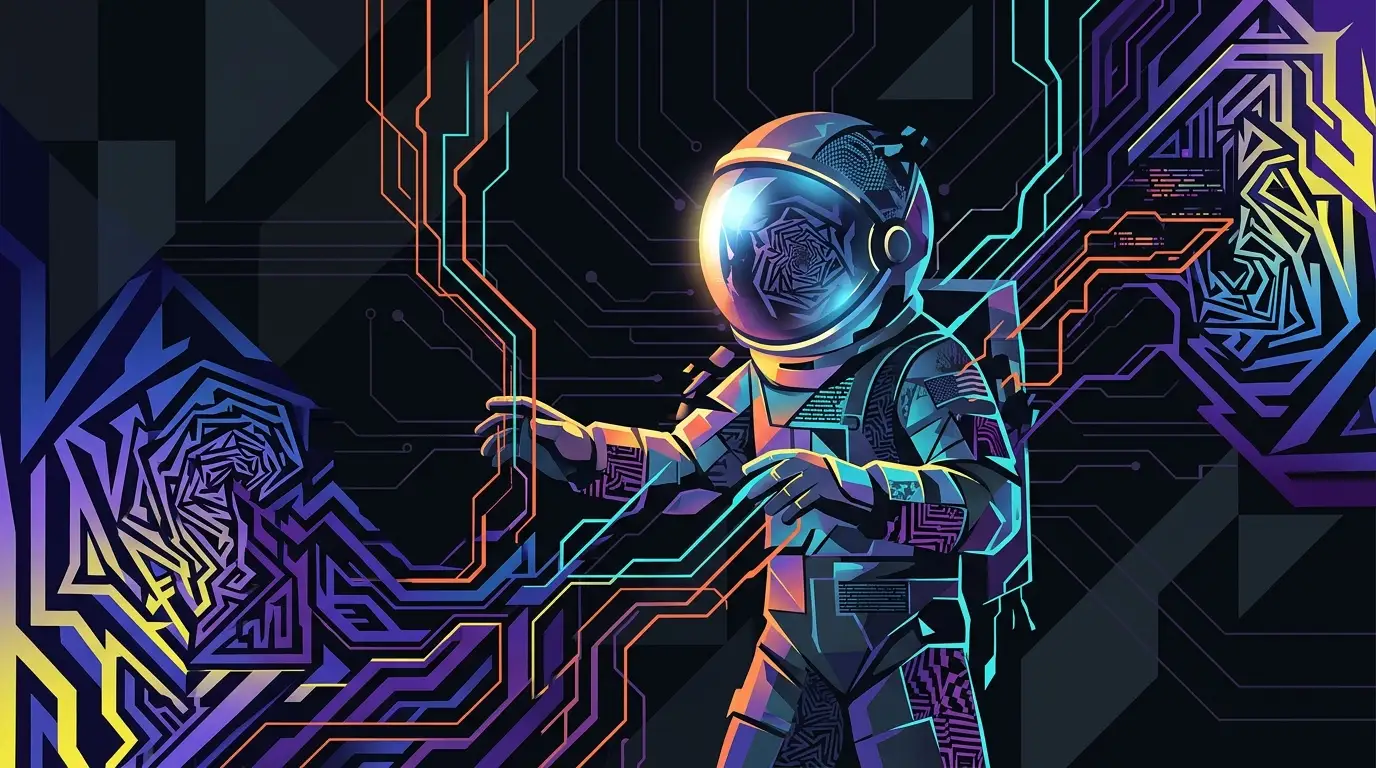
Their upcoming sci-fi project, Pragmata, is stepping away from the biological nightmares of the T-Virus. Instead, it is moving toward a much more modern anxiety. During a recent hands-on demo at Capcom’s offices, it became obvious that the game’s primary antagonists are inspired by artificial intelligence.
This isn't just a cosmetic choice. It represents a fundamental shift in how one of the world’s greatest action developers views the concept of a monster.
In the world of Resident Evil, horror was always grounded in the visceral. It was about flesh, mutations, and the messy breakdown of the human body. In Pragmata, the horror is algorithmic. As an AI researcher, I find this transition fascinating because it mirrors our own cultural shift from fearing global pandemics to fearing misaligned optimization loops.
The demo reveals that Capcom is leaning into the "horrors of AI" as a central motif. In research terms, we often talk about the alignment problem. This is the risk of a system pursuing a goal in a way that is technically correct but practically catastrophic for humans.
Pragmata seems to be turning that abstract mathematical fear into something tangible. Instead of a zombie trying to eat your brain, you are facing entities inspired by the cold, unfeeling logic of a machine that has decided you are simply an obstacle to be cleared.
The Capcom Design DNA
One of the most compelling aspects of this project is how Capcom plans to map its established design philosophy onto a high-tech setting. This is a studio that understands weight, friction, and environmental storytelling better than almost anyone else in the business.
When you look at the success of Monster Hunter: World, it was built on a deep understanding of ecosystems. Applying that same level of detail to a world populated by AI-driven threats suggests a level of mechanical depth that goes beyond simple shooting.
We can expect the combat to reflect the nature of the enemy. While a Resident Evil zombie is predictable and slow, a machine adversary suggests a different kind of challenge. I suspect we will see enemies that adapt, coordinate, and perhaps even learn from the player's movements. In the demo, these AI-inspired foes represent a departure from the supernatural. They are products of human ingenuity gone wrong, which is a trope that resonates deeply in 2024.
A Mirror to Modern Anxiety
It is hard to ignore the timing of this release. We are currently living through a period where the "black box" of large language models and autonomous agents is a constant topic of public debate.
Capcom is smart to tap into this. By positioning AI as the antagonist, they are moving the conversation from the physical horror of the past to the psychological and existential horror of the future.
There is a specific kind of dread that comes from being hunted by something that lacks a pulse but possesses a purpose. This is the core of the AI horror subgenre. It is the fear that our own tools will eventually find us redundant or, worse, irrelevant. Capcom has already proven they can make us jump at shadows in a dark hallway. Now, they are trying to make us fear the very technology we use to build those hallways in the first place.
The Strategic Evolution
Pragmata is more than just a new game for Capcom. It is a declaration of their versatility. They have conquered the fantasy world with Monster Hunter and the urban grit of Street Fighter. Now, they are taking on the high-concept sci-fi arena. This move feels less like a genre experiment and more like a strategic evolution of their survival horror expertise.
If the game succeeds, it could do for the tech-horror genre what Resident Evil did for zombies. It could define the visual and mechanical language of how we interact with rogue intelligence in popular media.
As a researcher, I am less interested in the flashy graphics and more interested in the logic underlying the enemy behavior. Will Capcom manage to make these machines feel truly intelligent, or will they just be robots with a new coat of paint?
Closing Insight
As we look toward the final release, the big question is whether Pragmata will serve as the Resident Evil for the digital age. Capcom has a unique ability to turn abstract fears into tight, rewarding gameplay loops. If they can capture the uncanny valley and the relentless optimization of an AI mind, they might just create a new benchmark for sci-fi action.
We have spent decades fighting monsters that look like us. Perhaps the real challenge will be fighting the things that think like us, only faster and without the burden of empathy.