Google Just Made Your Private Life the New Baseline for AI
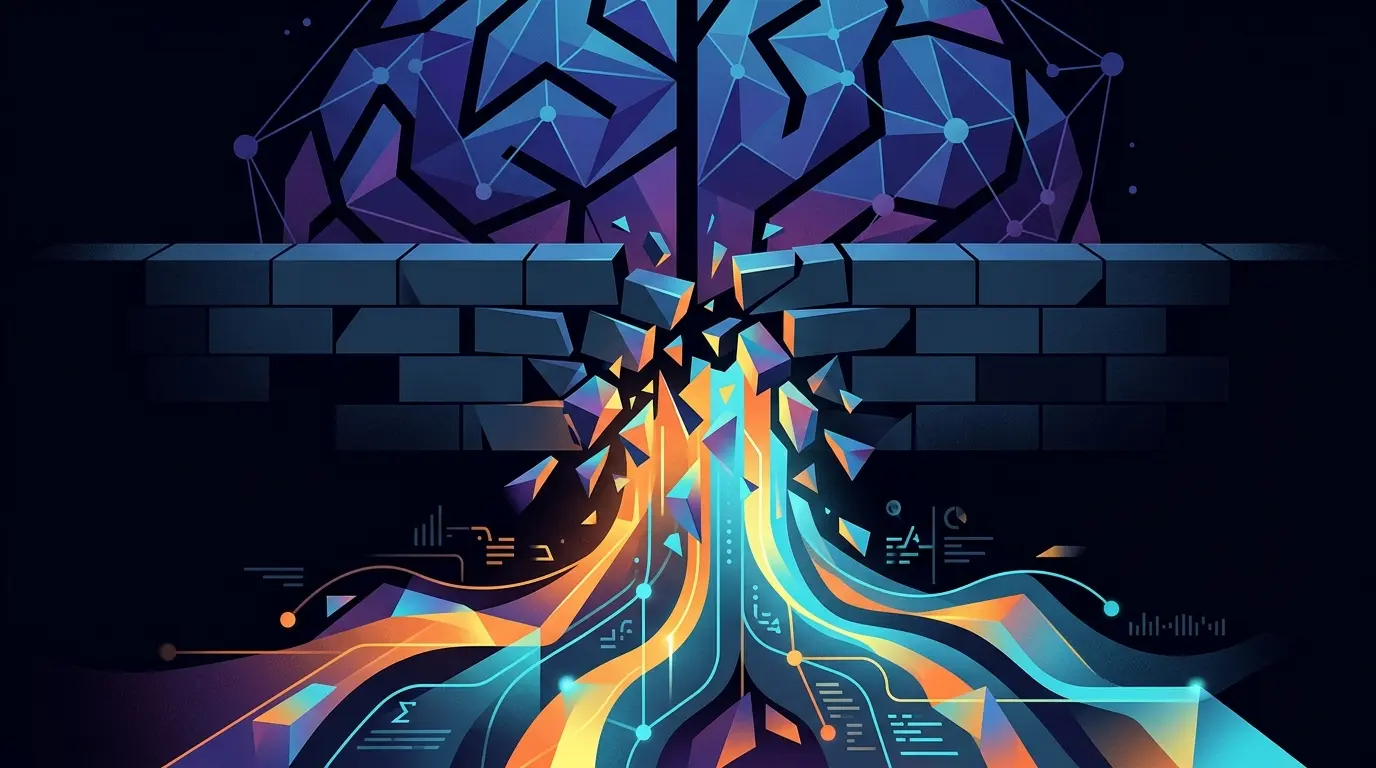
Google just stopped charging for the "future." On Tuesday, March 17, 2026, the company announced that its Personal Intelligence feature is moving out of the VIP lounge and into the hands of every user in the United States. This is not just a minor update to a chatbot interface. It represents a fundamental shift toward grounding large language models in private, high-signal data like your emails and photo libraries.
By removing the subscription barrier, Google is signaling that context-aware assistance is no longer a luxury. It is the new baseline for the modern digital experience.
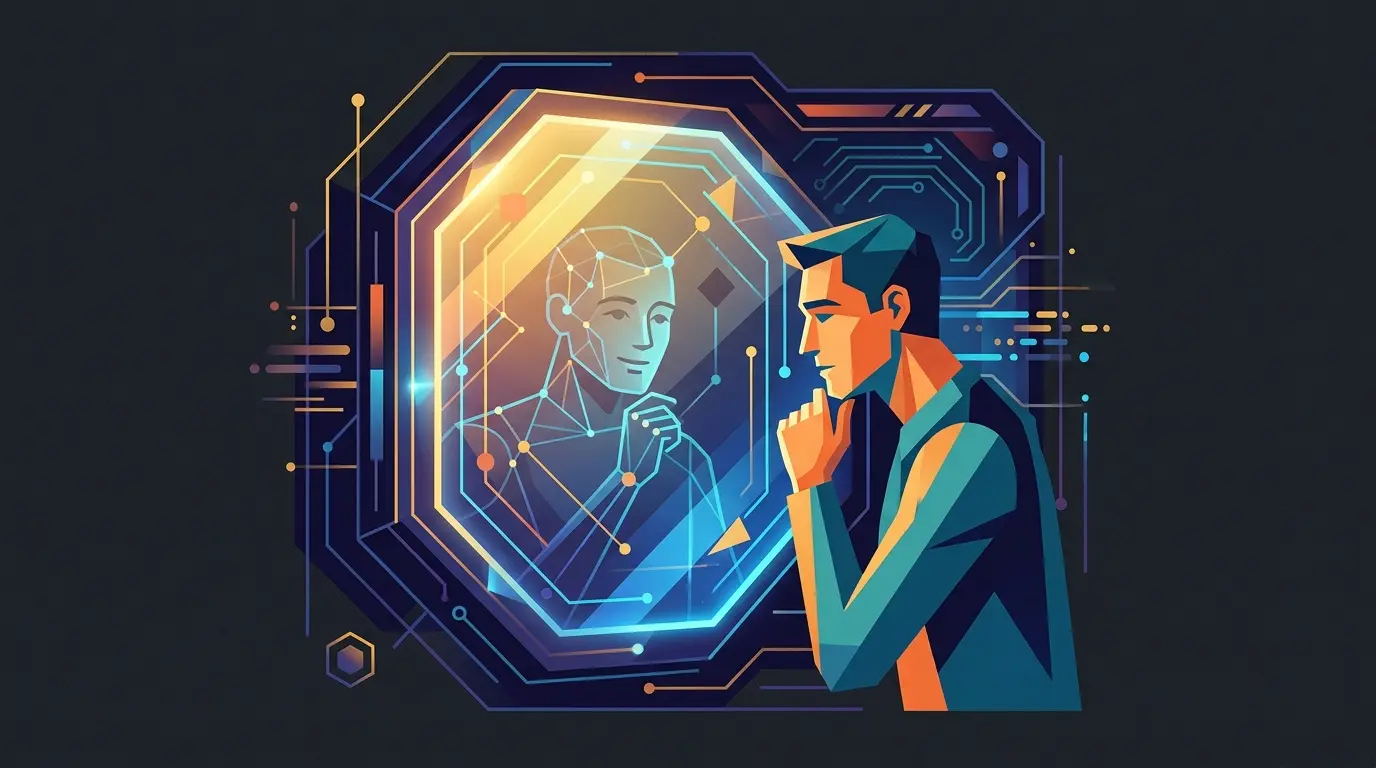
From a research perspective, the core functionality here is a sophisticated implementation of retrieval-augmented generation, or RAG. Personal Intelligence allows Google's AI assistant to tailor its responses by connecting across your entire ecosystem, specifically Gmail and Google Photos. This is a far cry from generic chatbots that merely play a high-stakes game of autocomplete. We are now seeing models that can index and query a user’s specific life history in real time. It is the difference between a stranger guessing your favorite vacation spot and a personal assistant who has seen your flight confirmations and your sunset photos from the beach.
Google calls this "AI Mode."
Previously, this level of deep integration was a gated luxury reserved for those willing to pay a monthly fee. By opening the floodgates to the general public, Google is essentially betting that the long-term utility of a truly personal agent outweighs the immediate revenue from a few million premium subscribers.
In the world of model architecture, this is a massive bet on inference efficiency. Processing high-context queries that pull from thousands of emails and images is computationally expensive. Seeing it rolled out for free suggests that Google has optimized its retrieval pipelines and context window management to a point where they can finally scale without breaking the bank.
Think of this integration as a digital librarian who has not only read every book in the building but has also memorized your personal diary and photo albums. If you ask the assistant when your flight to Austin lands, it does not just search the web for general schedules. It identifies your specific booking in Gmail. If you ask to find pictures of that specific dinner you had in Seattle, it scans the metadata and visual content of Google Photos to surface the exact moment.
This level of "stickiness" is a powerful strategic move. When an AI becomes the primary way you interact with your own history, the friction of moving to a different ecosystem, such as Apple or Microsoft, becomes almost insurmountable.
If you spend your time obsessing over benchmarks like I do, the real story here isn't the tech itself. It is the shift from AI as a premium luxury to AI as a standard utility. We are moving away from the era of the generic assistant and entering the era of the personal agent that lives within our data. Google wants this tool to be the default way we navigate our daily lives.
Of course, this expansion brings the usual questions about data privacy and user trust back to the center of the conversation. Google is framing this expansion as a responsible rollout for the average user, but the trade-off is clear. To get the most out of Personal Intelligence, you have to let the machine see everything. You have to grant it access to the deepest corners of your digital life. For most users, the convenience of a phone that knows exactly where they parked or when their package arrives will likely win out over the abstract desire for data isolation.
As we watch this rollout across the United States, the industry will be looking for the ripple effects. Will other tech giants feel the pressure to drop their own AI paywalls? Can a model truly be "personal" if it does not have this level of ecosystem access?
The question is no longer whether AI can handle these complex tasks. The question is whether we will eventually lose the ability to manage our own lives without a machine to remind us of the details. We are quickly approaching a future where our digital past is not just stored in a folder, but is actively participating in our present through a conversational interface. If this becomes the new standard, the gap between our memories and our machines will eventually disappear entirely.