The End of the Mythical Supercomputer
For years, AI researchers have obsessed over a specific holy grail of hardware. They wanted a silent monolith tucked under a desk, capable of chewing through billions of parameters without the screaming fans of a server room or the frustrating latency of the cloud. That dream is finally taking a concrete shape, though it looks a lot less like a revolution and a lot more like a corporate procurement form.
NVIDIA is quietly moving the DGX Station into the standard enterprise fold.
By shifting from proprietary distribution to an OEM-led model, NVIDIA is essentially packaging data center power as a standard office appliance. The latest updates to the company’s enterprise marketplace confirm that the DGX Station is no longer a limited, direct-release curiosity. It has been moved out of the specialized, almost mythical category of Founders Edition units and into the standard corporate buying cycle.
In the high-stakes world of AI, hardware availability dictates the speed of innovation. When we talk about the DGX Station, we are talking about a machine defined as a personal AI supercomputer. It is a beast of a workstation designed for workloads that usually require a liquid cooling suit and a dedicated wing in a data center. Now that the hardware is officially listed on NVIDIA’s primary product documentation pages, its status as a production-ready tool is set in stone.
The current iteration is built around the GB300 Superchip. This piece of silicon bridges the gap between a traditional workstation and the massive Blackwell clusters found in hyperscale data centers. For a researcher, having this level of compute locally means you can iterate on model architectures or fine-tune LLMs with immediate feedback. You are no longer waiting in a job queue for a shared cluster. It is the difference between taking a bus and owning a private jet that happens to fit in your office.
But there is a catch.
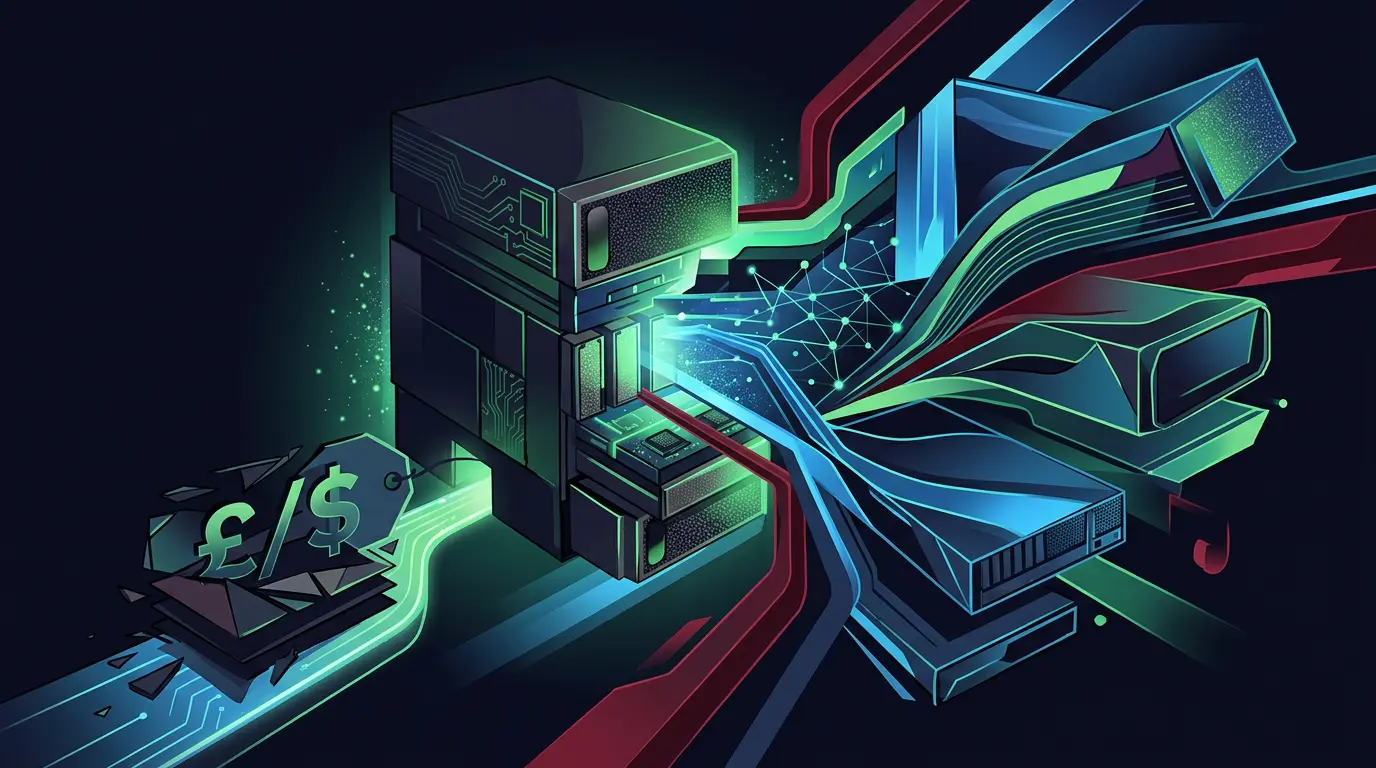
Moving to OEM distribution brings a familiar enterprise frustration: the total lack of price transparency. If you visit the NVIDIA marketplace today, you will see the specs, the shiny renders, and the technical documentation. What you will not see is a price tag. The community over at the LocalLLaMA subreddit was quick to point this out. While users describe the DGX Station as a dream machine, they also note that the move to partners like Dell or HP effectively keeps the cost opaque.
There is a strong consensus among the community that a Founders Edition of this specific unit simply does not exist. This aligns perfectly with NVIDIA's strategy to streamline the supply chain. By letting authorized partners handle the fulfillment, NVIDIA can scale the reach of the DGX Station without managing the granular logistics of individual sales. It is a move toward maturity. It suggests that NVIDIA no longer views this as a niche product for early adopters, but as a standard line item for any serious AI lab.
As someone who has spent far too many hours managing cloud credits and worrying about data egress fees, the appeal of local supercomputing is undeniable. Yet, the shift to OEM distribution is a double-edged sword. On one hand, it makes the hardware easier for a large corporation to buy through their existing vendor relationships. On the other hand, it further gates the technology behind high-touch enterprise sales teams. If you have to ask for a quote, you probably already know the price involves more zeros than a standard academic budget can handle.
This transition raises a difficult question about the future of development. If the most powerful local training tools are only available through enterprise channels with hidden pricing, do we risk creating a tiered research environment? We might see a world where the largest labs have silent supercomputers under their desks while everyone else is stuck waiting for cloud availability.
NVIDIA is betting that the demand for localized, high-parameter training will only grow. By integrating the DGX Station into the standard supply chain, they are preparing for a future where personal supercomputing is as common in a research lab as a high-end laptop. Whether this leads to a surge in localized breakthroughs or simply reinforces the dominance of well-funded corporate labs remains to be seen. One thing is certain. The era of the experimental, direct-to-dev supercomputer is over. The era of the enterprise workstation has begun.