San Jose is usually a quiet place. If you’ve spent any time downtown recently, you know the vibe: wide, sun-bleached concrete stretches and a weirdly serene brand of tech optimism. But on March 16, 2026, that serenity is going to evaporate.
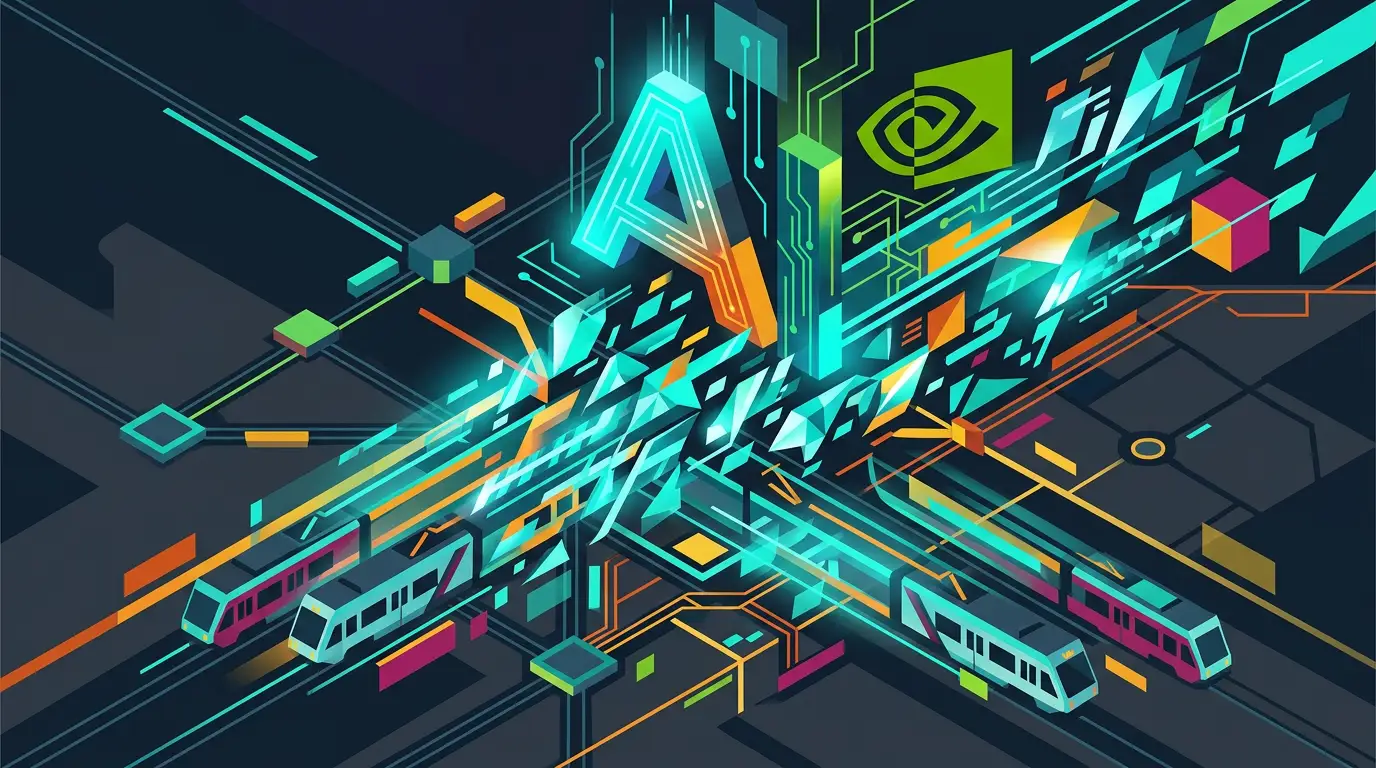
The city isn’t just hosting a conference; it’s bracing for what local authorities are calling an "AI stampede." Nvidia’s GTC is coming to town, and it’s bringing the heavy, physical machinery of the global AI boom with it. This isn't just a few extra people hogging the outlets at local coffee shops. It’s a high-stakes stress test for a city that often feels like it was designed for a much sleepier era.
The Physical Cost of Digital Hype
Nvidia GTC has always been the holy grail for the engineers actually building the future. But by 2026, the scale will be different. From March 16 through March 19, thousands of global tech professionals will descend on San Jose’s urban core. While the people inside the convention center discuss the next generation of Blackwell chips, the people outside will be dealing with something much more primitive: total gridlock.
Think of it as trying to push a terabyte of data through a 56k dial-up modem.
The physical streets of San Jose simply weren't built for the sheer density of the modern AI hype cycle. When you dump thousands of attendees into the daily rhythm of a major metropolitan area, something has to give. In this case, it’s the traffic flow.
VTA’s Survival Strategy
The Santa Clara Valley Transportation Authority (VTA) is already sounding the alarm. This isn't one of those polite "expect minor delays" advisories you see on a highway sign. It’s a full-scale operational pivot.
Starting Monday, March 16, the VTA is pulling the trigger on confirmed reroutes and service adjustments. If you’re a local who relies on a specific bus line or light rail stop to get to your shift, your usual routine is officially dead. The agency is explicitly telling commuters to bake extra travel time into their mornings and obsessively check service alerts. For those four days, "business as usual" is going offline.
Trillion-Parameter Models vs. The 22 Bus
There’s a recurring irony in San Jose. The city bills itself as the capital of Silicon Valley—the place where the world’s most sophisticated problems get solved. Yet, every time a major industry event rolls in, the city's infrastructure feels remarkably fragile.
I’ve covered these conferences for years, and the pattern is always the same. We sit in darkened halls talking about trillion-parameter models and the path to AGI, while right outside, a local resident is missing their doctor's appointment because three Ubers are blocked by a delivery truck on a closed street. The "human cost" isn't just a longer commute; it’s the friction of a city essentially becoming an "event zone" for a week, leaving residents to navigate the wreckage.
Is transit planning keeping pace with the breakneck growth of AI? Right now, it feels like the city is playing a perpetual game of catch-up.
How to Survive the Week
If you’re attending GTC—or if you’re just a resident trying to get home without a headache—you need a defensive strategy. The "bottleneck effect" is going to be brutal, especially during the morning rush and the post-keynote mass exodus.
* Ditch the Muscle Memory: Your knowledge of how these streets work is useless during GTC. Trust real-time VTA alerts and navigation apps over your gut.
* The Monday Rule: The chaos starts Monday morning, March 16. Don't wait until Tuesday to realize your bus stop has been moved three blocks away.
* Avoid the Core: If you don't have a badge or a reason to be downtown, stay away. The congestion will ripple into surrounding neighborhoods as drivers try to "shortcut" their way around the VTA reroutes.
The Long Road Ahead
As the AI industry continues its massive expansion, we have to ask if this model is actually sustainable. San Jose clearly wants the prestige and the massive economic injection that comes with hosting Jensen Huang and company, but the physical reality of these events is becoming an unsustainable burden on an aging transit network.
Will this yearly stampede finally force San Jose to invest in smarter, more resilient urban infrastructure? Or will we just keep relying on temporary bus reroutes and "good luck" warnings? For now, the focus is just on surviving the week. But as the chips get faster, the traffic only seems to get slower. It’s a strange world where we can map the human genome in minutes, but we still can't get a bus across downtown San Jose during a tech conference.