We have been living on a short leash for years. If you wanted your phone to do anything remotely clever, you had to wait for a server farm in a different time zone to give you permission. At MWC 2026, OPPO and MediaTek basically cut the cord. They are betting that the future of mobile intelligence is not in the cloud, but in the silicon sitting right against your palm.
I spend most of my time staring at model weights and NPU throughput, so this feels like more than just a marketing pivot. It is a technical necessity. Cloud inference has hit a ceiling. That annoying half-second pause while a server thinks about your request is a total deal-breaker for a fluid interface. By building a specialized suite of on-device tools, these two companies are signaling that they would rather optimize their own hardware than keep paying for more server rack space.
The Three Pillars: Translate, Glow, and Omni
The demo in Barcelona focused on three features that live entirely on the phone. The first is AI Translate. This is not the clunky, robotic software we have been tolerating for a decade. Since it runs locally, it allows for real-time communication without the need for an internet handshake. For a researcher, the real magic here is the lack of a round-trip delay. The translation becomes a seamless part of the conversation instead of an interruption.
Then there is AI Portrait Glow. It looks like a basic photo filter, but the math under the hood is actually quite heavy. It uses local processing to adjust lighting and enhance portraits in real-time. Instead of just slapping a flat layer of software over your face, the hardware performs spatial analysis to figure out where light should naturally fall. It is a lot of computational work, which proves that MediaTek’s latest silicon can handle generative tasks without turning the phone into a pocket heater.
Finally, the companies introduced Omni. Details are still sparse, but it is being pitched as the brain of the operation. If the name is any hint, we are likely looking at a multimodal coordinator that manages different AI tasks across the device. It suggests a future where your phone does not just run apps, it orchestrates intelligence across every function.
The Researcher’s Perspective: Why Local Matters
From an architectural standpoint, moving AI on-device is the only way to fix the privacy-performance paradox. When you process data locally, you are securing the perimeter. For something like AI Translate, which might handle sensitive business secrets, the fact that data never leaves the device's RAM is a massive security win. We are finally moving away from the era where we have to trust a third-party data center with our private lives.
Then there is the performance aspect. Cloud AI is notoriously flaky because it depends on your signal. If you are in a crowded subway or a remote hiking trail, your "smart" phone suddenly becomes very dull. Local inference ensures the model is always there. The industry is currently moving toward highly quantized models (essentially compressed versions of massive AI models) that can fit into a phone’s memory without losing their minds. This partnership is a textbook example of that optimization.
The Missing Specifications
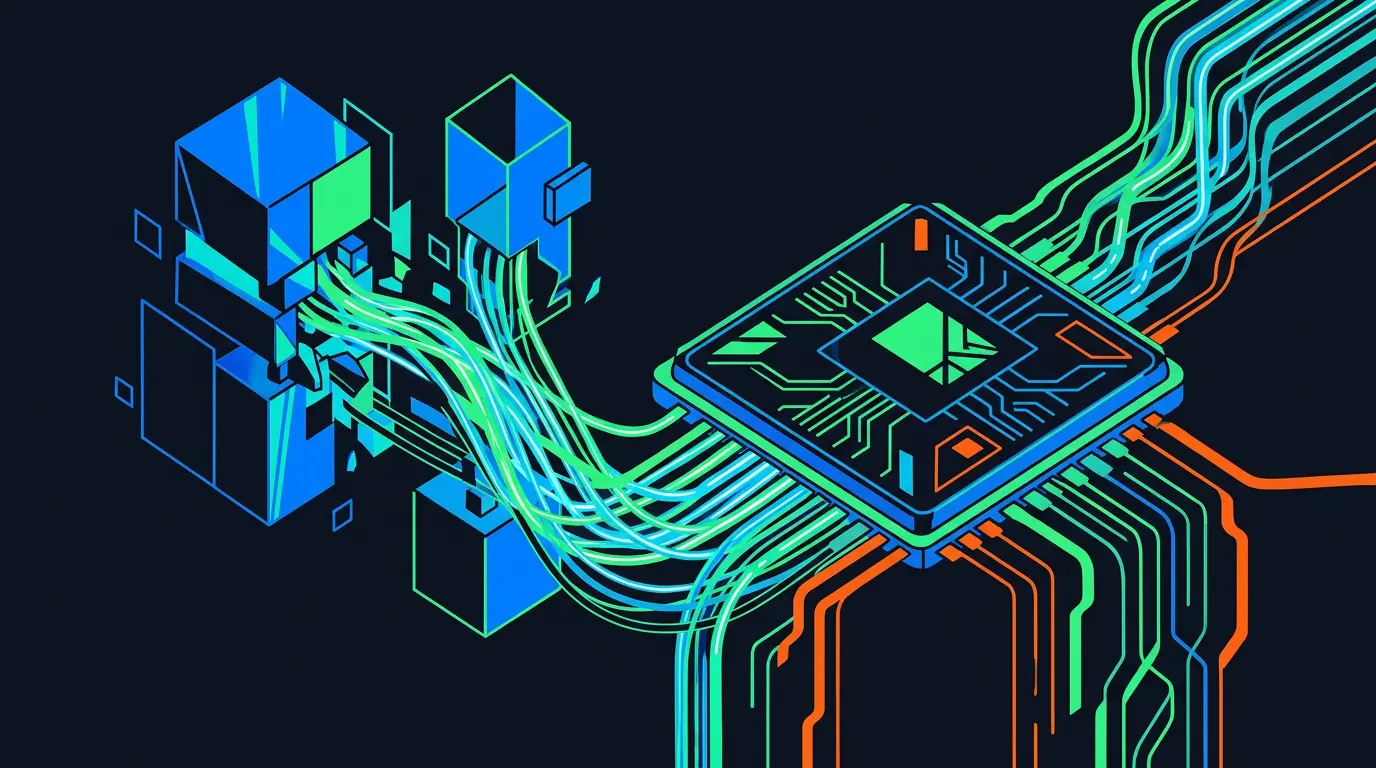
The demonstration was impressive, but there are still plenty of holes in the story. The showcase was heavy on cool features but very light on the actual hardware stats. We still do not know the specific NPU architecture or the exact TOPS (Trillions of Operations Per Second) these chips are pushing. For those of us who track benchmarks, those numbers are the only way to tell if a device is actually a powerhouse or just good at marketing.
The timeline is also a mystery. The tech worked on the floor of MWC 2026, but neither company gave a concrete release date. We do not know which OPPO models will get these features first, or if older hardware will be left in the dust. Transitioning an entire product line to on-device AI is a logistical nightmare, and we are still waiting for the roadmap.
A Final Observation
The shift to local AI is inevitable, but it puts a lot of pressure on the marriage between the chipmaker and the phone manufacturer. MediaTek provides the raw muscle and OPPO provides the interface. It is a delicate balance. If the hardware cannot keep up with the model, the user gets frustrated. If the model is too heavy, the phone overheats.
Barcelona proved that the hardware is finally catching up to our ambitions. The real test is whether users will actually care enough to upgrade. Will a feature like AI Portrait Glow be the reason someone buys a new phone, or is it just another line on a spec sheet? As we head toward 2027, success will be about making AI feel less like a specialized tool and more like a basic utility that just works, even when you are miles away from the nearest cell tower.