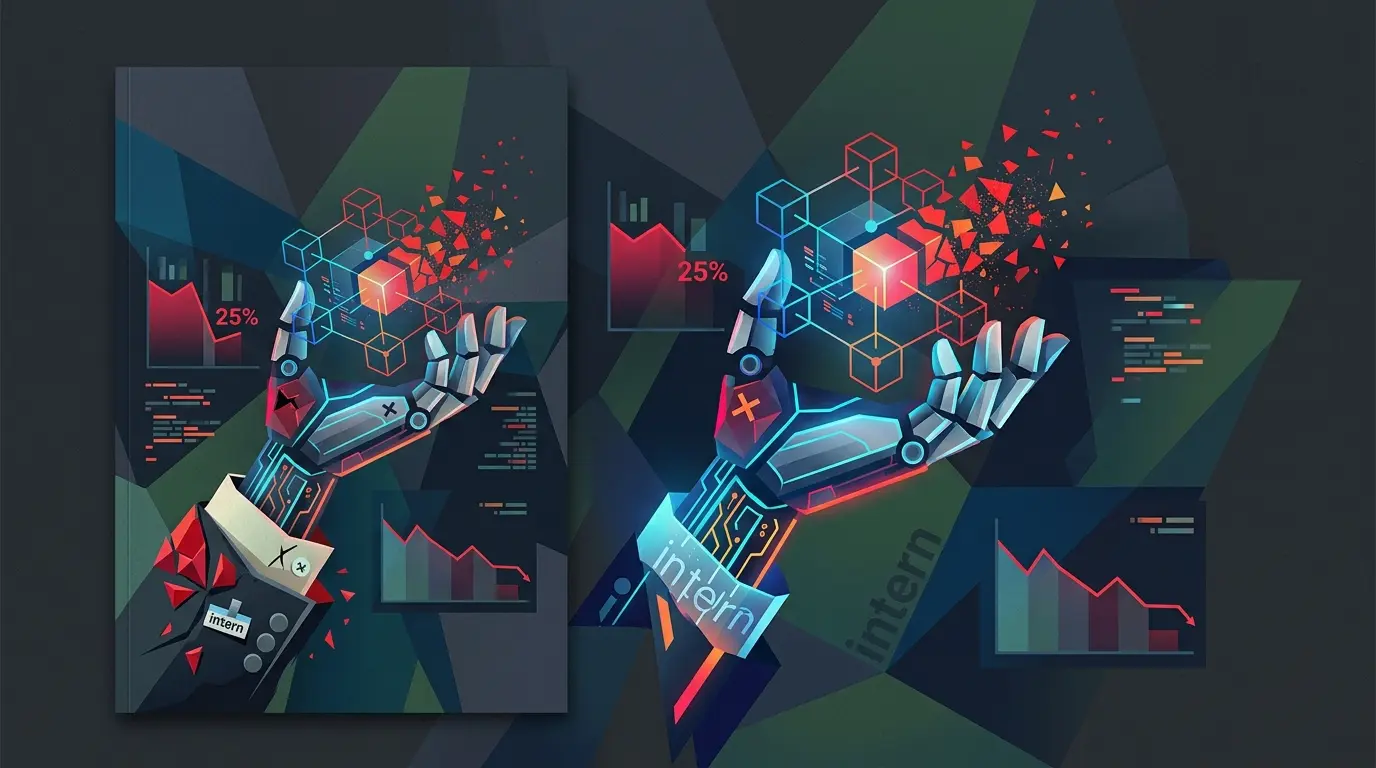
Your social media feed is not a window. It is a mirror, but one that has been carefully silvered to reflect your most reactive impulses.
For years, we have felt the digital world growing sharper and more divisive. We usually blamed this on a shift in human nature, assuming that people were simply becoming meaner. However, a series of revelations from the people who actually built these systems suggests a much more calculated cause.
According to an investigation led by BBC journalists Marianna Spring and Mike Radford, the toxic environment on platforms like Meta and TikTok was not an accident. It was engineered. Over a dozen whistleblowers and former insiders claim these companies identified a clear link between inflammatory content and high user engagement. Instead of damping the fire, they allegedly turned up the oxygen to protect their market share.
The Anatomy of an Outrage Arms Race
In the world of machine learning, the goal you set for a model is the only thing that matters. You tell the algorithm what to optimize for, and it will find the most efficient path to that result, regardless of the social wreckage it leaves behind. For Meta and TikTok, that goal was simple: retention.
When TikTok began its rapid ascent, it sent a shockwave through the industry. Its ability to keep users scrolling for hours created a survival crisis for legacy giants like Meta. To compete, these companies entered what insiders describe as an "arms race" for human attention. Internal research at both firms reportedly confirmed that content triggering outrage or intense emotional reactions keeps people on the app longer.
In a zero-sum game for your time, these companies faced a choice. They could prioritize the well-being of the user by filtering for quality, or they could optimize for the metrics that please shareholders. The whistleblowers suggest they chose the latter, knowingly adjusting their recommendation systems to amplify divisive content. This was not a bug. It was the feature that kept the numbers moving up.
Inside the Black Box
The exact weights and biases of these neural networks remain proprietary secrets (the ultimate corporate "keep out" sign), but the testimony provided to the BBC paints a grim picture of the internal culture. Insiders claim that leadership was fully aware of the harm caused by these algorithmic tweaks. They saw the data. They knew how "doomscrolling" through outrage-inducing posts impacted mental health and social cohesion.
As someone who works with AI, I find the technical nuance here particularly revealing. You will likely never find a specific line of code labeled "Promote Hate." Instead, there is a systematic effort to reward any content that generates a high signal of "engagement." If you reward time spent or shares without strict guardrails on sentiment, the model will inevitably discover that anger is the most reliable driver of those metrics. It is simply the path of least resistance for a model hungry for data points.
The Ethical Cost of the Metric
We are currently witnessing a total shift from user experience to pure engagement optimization. For a long time, the industry narrative was that algorithms simply "give people what they want." These new reports flip that script. If platforms are intentionally boosting content they know is harmful because it happens to be addictive, they are no longer neutral curators. They are active participants in the degradation of the digital town square.
There is a fundamental friction between corporate profit and public well-being that we can no longer ignore. When a company realizes its product is causing harm but continues to refine the mechanism of that harm to stave off a competitor, we have moved past the realm of unintended consequences. This is a deliberate business strategy that treats social stability as an acceptable trade-off for market share.
The Corporate Silence
So far, Meta and TikTok have not provided formal, detailed rebuttals to these specific allegations. This silence creates a vacuum currently filled by the testimonies of those who were actually in the room when these decisions were made. For external researchers, verifying the exact technical mechanisms is nearly impossible without independent audits of the recommendation code.
This lack of transparency is the real hurdle. We are essentially forced to rely on a "he-said, she-said" dynamic between multi-billion dollar corporations and the people who used to work for them. Without regulatory guardrails that mandate algorithmic transparency, we are left at the mercy of whatever optimization goal serves the next quarterly earnings report.
I am often struck by the irony of our current situation. We spend so much time worrying about whether AI will become sentient or turn against us, yet we are already living under the thumb of models that have been programmed to exploit our worst instincts.
The question is no longer whether these platforms can prioritize user well-being. The question is whether their current business models even allow for it. If engagement remains the only metric that matters, then outrage will remain the primary product. Until we change the incentives that govern these algorithms, we are all just training data in a very profitable, very angry machine.