The 11:59 PM submission is a universal rite of passage. You hit "send," exhale a week’s worth of caffeine-fueled stress, and picture your professor—red pen in hand, spectacles perched on their nose—laboring over your every nuance. It’s a comforting, if slightly archaic, image.
But in Singapore, that mental image is getting a hard reboot.
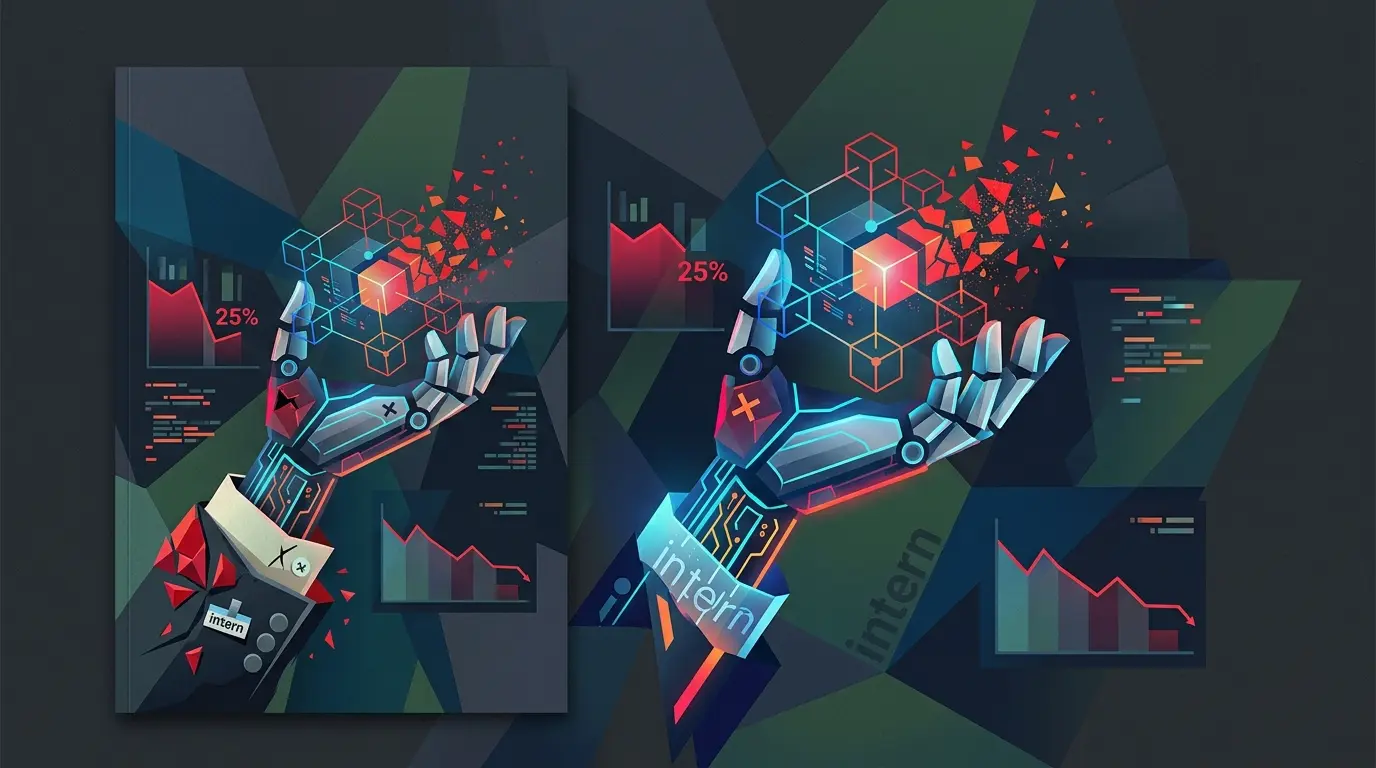
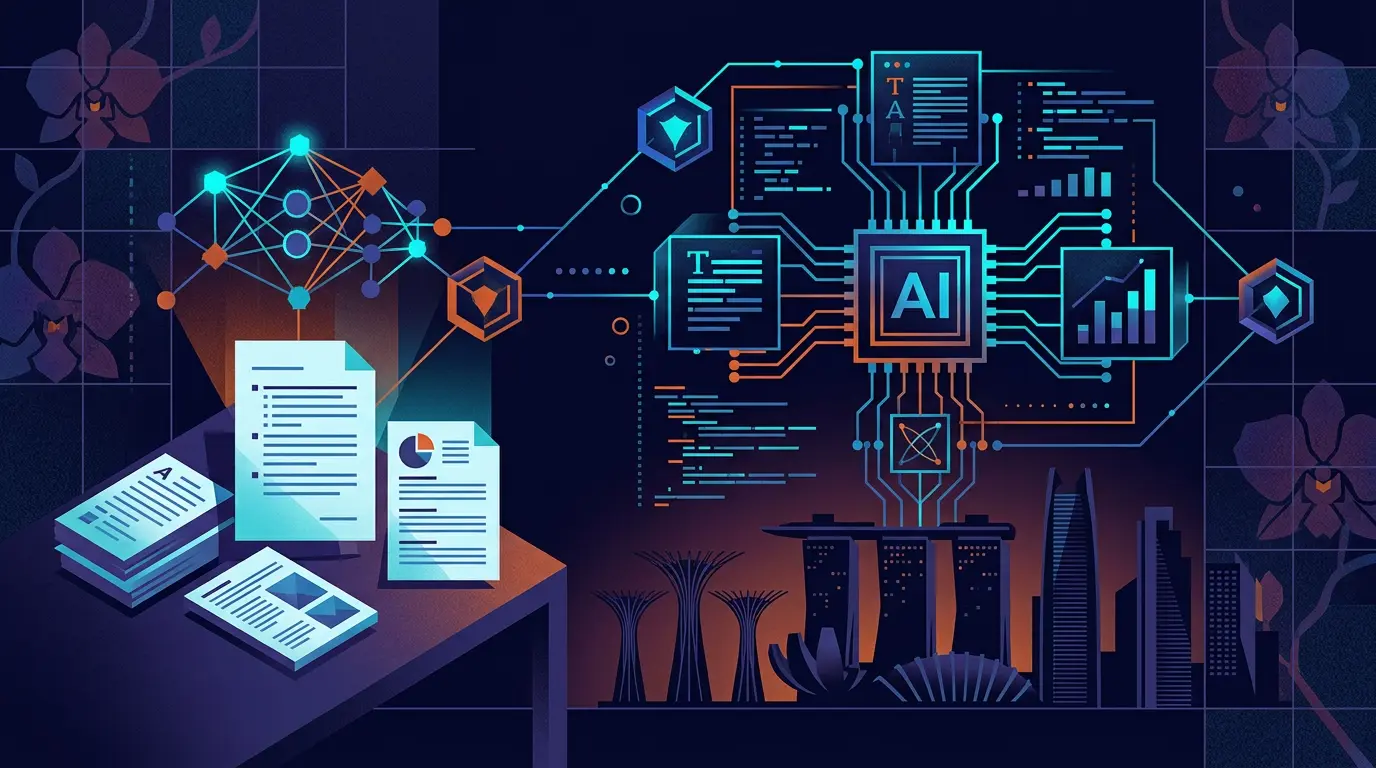
Reports are trickling out that lecturers across four of the nation’s major universities have begun using artificial intelligence to help grade student assignments. It’s a move designed to kill the administrative backlog, but it’s also opening a massive rift in the lecture hall. While the technology promises to turn around feedback in record time, many students are left wondering if their academic future is being decided by a mentor or a set of weights and biases.
The Rise of the Invisible Grader
We aren't talking about some far-off sci-fi concept; this is the reality in Singaporean higher education right now. Academic staff at four major institutions—the names of which are currently being kept under wraps—are reportedly integrating AI tools to streamline the evaluation process.
The motivation is easy to spot. The administrative weight on a modern academic is crushing. Between high-level research, lecturing, and an endless sea of emails, grading a stack of 300 essays on political theory is a Herculean slog.
AI offers a tempting shortcut. By leaning on "AI-assisted" grading, lecturers aren't necessarily handing over the keys to the kingdom, but they are letting the algorithm do the heavy lifting of initial assessment and feedback generation.
From a logistics standpoint, it’s a win. If an AI can identify a missing citation or a weak thesis statement in seconds, the lecturer can theoretically focus on the more complex elements of the work. However, that assumes the AI is a reliable co-pilot and not a distracted driver.
The Trust Gap: Nuance vs. Numbers
Unsurprisingly, the student body isn't exactly cheering in the streets. For every student who appreciates getting their results back in three days instead of three weeks, there are several others who are genuinely worried. The core fear? That they might "lose out" when instructors lean too heavily on the software.
Think of it as the "Black Box" problem. If a student takes a creative risk—an unconventional argument that challenges the status quo—will the AI reward the originality? Or will it penalize the paper because it doesn’t fit the statistical average of what a "good" essay looks like?
There is a very real concern that AI grading will lead to a homogenization of thought. If students know an algorithm is looking for specific patterns, they’ll stop writing to express ideas and start writing to satisfy the software.
When we automate a human process, we almost always prioritize what is measurable over what is meaningful. A machine is great at checking for grammar and keyword density, but it’s notoriously bad at feeling the "spark" of a brilliant, albeit messy, idea.
A Deficit of Transparency
Perhaps the most unsettling part of this development is the sheer lack of sunshine. The current reports leave several massive questions unanswered. Which four universities are we talking about? Is this a top-down policy sanctioned by the boards, or are these "rogue" experiments by individual lecturers just trying to survive their workload?
Then there’s the question of the tools themselves. We don’t know if these lecturers are using custom-built academic software or simply plugging student work into a standard commercial Large Language Model (LLM).
This raises a nightmare of data privacy concerns. If a student’s original research is fed into a commercial AI, who owns that data? Does it become part of the training set for the next version of the model? Without clear, institutional guidelines, this feels less like a planned technological leap and more like a messy, unvetted transition.
The Human-Centric Deadlock
At its core, education is a human-centric endeavor. It is a transfer of knowledge, culture, and critical thinking from one generation to the next. When you insert an algorithm into that feedback loop, you risk breaking the connection.
The "gold standard" for this technology shouldn't be full automation; it should be radical transparency. If a lecturer uses AI to grade, that fact should be disclosed. There should be a clear "human-in-the-loop" process where every AI-generated grade is vetted by a professor. Most importantly, there must be a robust appeal process for students who feel the algorithm missed the point of their work.
Efficiency is a great metric for a factory, but it’s a dangerous one for a classroom. Unless Singapore’s universities can bridge this trust gap, the "invisible grader" might do more harm to the spirit of inquiry than any administrative backlog ever could. After all, if the person grading the paper didn't bother to read it, why should the student bother to write it?