The thumb fatigue has finally reached a breaking point. For over a decade, Tinder was the digital equivalent of a high-speed slot machine where the jackpot was rarely more than a conversation that didn’t end in a ghosting. But the mindless, repetitive swipe has lost its luster. Users are burnt out, the market is bloated, and the dopamine hit of an "It’s a Match!" notification has been replaced by the mild dread of another dead-end chat.
Tinder has finally read the room.
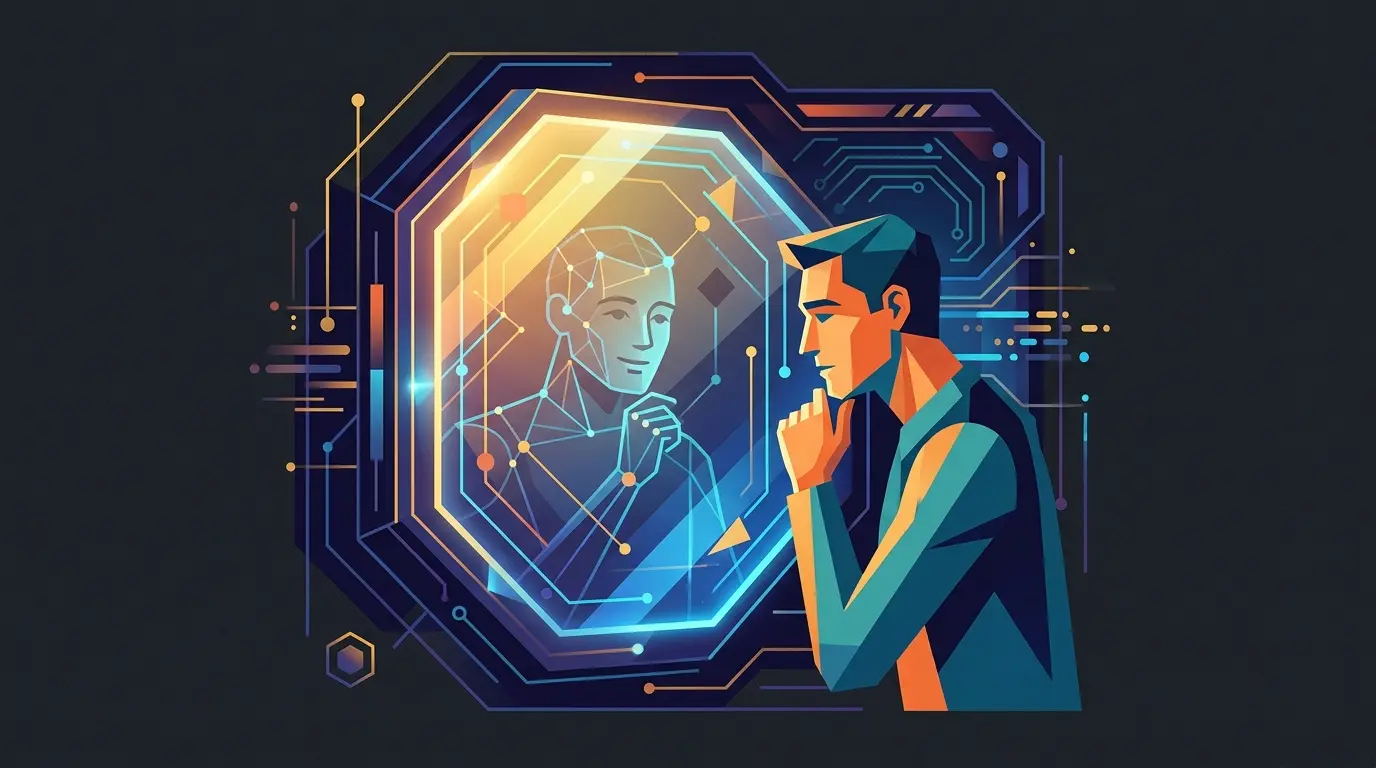
On March 14, 2026, the company signaled a quiet retreat from its own legacy, announcing the testing of a new feature simply called "Chemistry." It’s an AI-powered matchmaking tool that suggests we are entering a new era of digital dating—one where your personality, rather than just your three most flattering photos, is expected to do the heavy lifting.
The Death of the Digital Slot Machine
In the early 2010s, Tinder won because it turned dating into a game. It was low-stakes, purely visual, and deeply addictive. But that same gamification eventually became its biggest liability. When you treat humans like a deck of cards, the connections tend to feel just as thin.
"Chemistry" represents a massive shift in philosophy. Tinder is attempting to move beyond the superficial, location-based mechanics that defined the app for a generation. The goal isn't just to keep you swiping; it’s to keep you from deleting the app in a fit of frustration. By introducing a dedicated AI-driven test, the platform is trying to solve the "matching problem" that has plagued the industry since its inception: How do you predict if two people will actually click before they’re trapped in a boring conversation at a crowded coffee shop?
What’s Under the Hood?
Details are still trickling out as Tinder begins testing the tool with select user groups. According to the announcement, the feature uses artificial intelligence to facilitate a matchmaking process through a specific test. Even the branding—"Chemistry"—is a direct shot at the one thing data has historically been terrible at capturing.
But there’s a catch: we’re still looking into a black box.
While Tinder has confirmed the feature is in active testing, they haven't exactly shared the recipe. We don’t know if the AI is quietly scanning your bio, analyzing your past swiping behavior, or if it requires you to sit through a battery of psychological prompts. Is it a high-tech version of an old-school personality quiz, or a sophisticated algorithm tracking micro-behaviors within the app? For now, that remains a trade secret.
The Algorithmic Matchmaker
This isn't happening in a vacuum. The entire dating tech sector is currently obsessed with using generative and analytical AI to fix a broken user experience. We’ve seen competitors experiment with everything from AI-generated opening lines to virtual "date coaches" that whisper in your ear.
Tinder’s approach with "Chemistry" feels more foundational. It’s an attempt to improve the quality of the match itself. From a business perspective, it’s a survival tactic. If users feel like the app is actually "learning" them and delivering actual humans they might like, they stay. It’s retention through relevance.
The Cost of a Connection
As with any "smart" solution, the data cost is the elephant in the room. To truly determine chemistry, an AI needs to be fed. It needs to know your values, your sense of humor, and your specific brand of neurosis.
What kind of psychological harvesting is required to power this engine? If Tinder is "learning" what makes you tick, it’s building a goldmine of your most intimate data. Then there’s the risk of the "echo chamber" effect. If an algorithm only shows us people it thinks we have chemistry with, do we lose the serendipity of meeting someone who actually challenges us? We run the risk of romantic stagnation, where we only ever date mirrors of ourselves.
The Ghost in the Machine
Whether "Chemistry" will be the silver bullet for the dating app slump is anyone's guess. It’s a bold, perhaps desperate, attempt to quantify the unquantifiable. Silicon Valley has spent decades trying to solve for "efficiency," but romance is notoriously, beautifully inefficient. It’s messy, unpredictable, and usually defies logic.
Tinder is betting that its AI can find a pattern in that mess. But as we hand over our romantic agency to the machine, we have to ask: Can an algorithm truly identify a spark, or are we just letting AI optimize the illusion of connection?
We’ll find out as the testing expands. But at the very least, your thumb might finally get a rest.