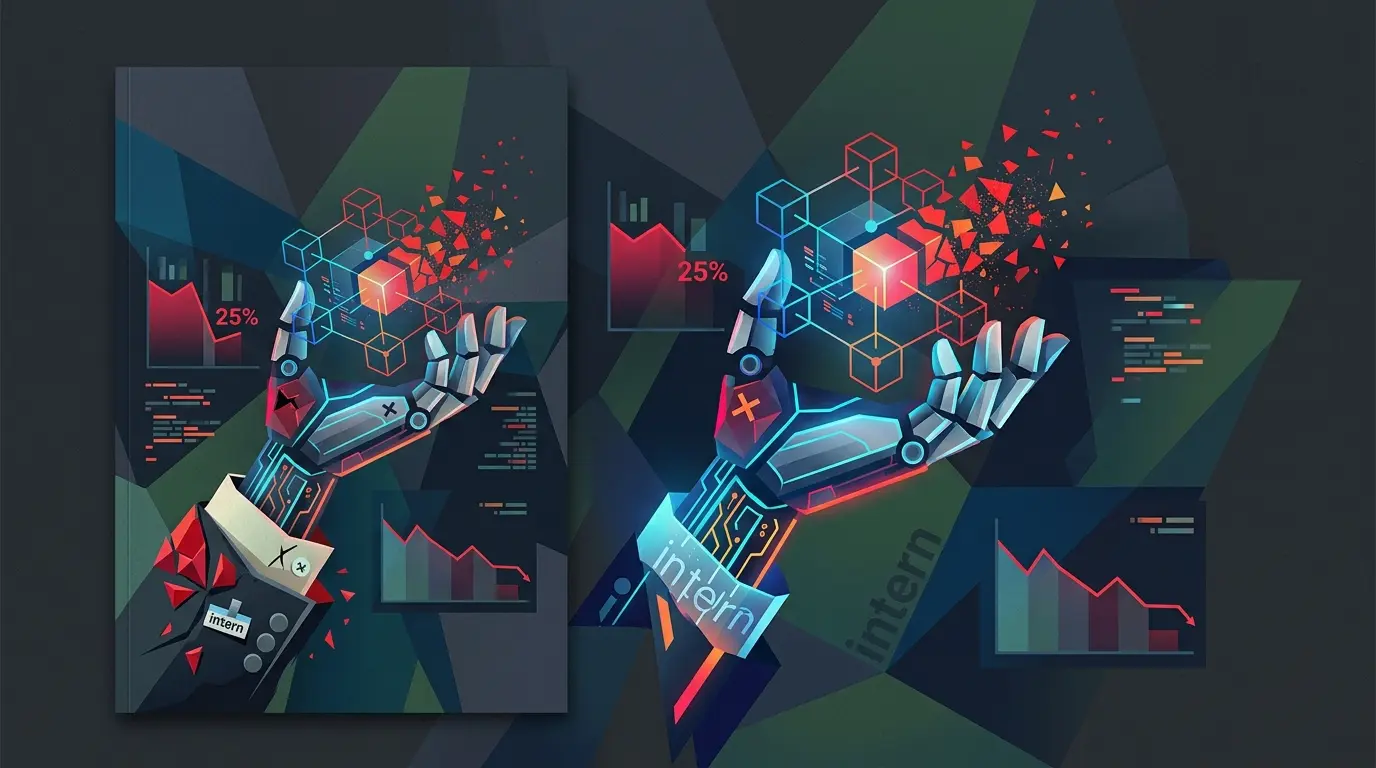
The UK Intellectual Property Office is currently rewriting its own source code. For decades, the process of securing a trademark felt like trying to have a conversation with a glacier. It was slow, paper-heavy, and deeply bureaucratic. But the agency is finally pivoting, trading its filing cabinets for a tech-first identity that looks more like a modern software provider than a government department.
Welcome to the era of IP-as-a-Service.
According to recent updates shared with professionals via the WTR 1000 platform, the UKIPO is aggressively prioritizing the development of new digital tools. This is not just a cosmetic UI facelift. It is a strategic move to bake automation directly into the intellectual property lifecycle. From a technical perspective, the office is trying to kill the latency of legal oversight by moving away from human-centric workflows in favor of automated, deterministic systems.
The Digital Mandate: From Filing to Feedback
The UKIPO is ditching legacy systems to keep up with a high-speed global market. The goal is simple, even if the execution is technically grueling. They want to strip away the friction that trademark professionals deal with every single day.
Historically, the registry has been the ultimate bottleneck. A lawyer submits a mark and then they wait. The office then manually checks that mark against thousands of existing entries. It is a high-dimensional search task that, until recently, required a massive amount of human brainpower.
The current toolkit already shows signs of this shift. Existing online search tools and filing portals have already begun to accelerate the registration process. These are the low-hanging fruit of digital transformation. By making databases easier to navigate, the UKIPO has effectively lowered the cost of legal certainty for practitioners. Lawyers are no longer just filers, they are becoming power users of a sophisticated government platform.
The Innovation Pipeline: Chasing Predictive Accuracy
What is actually interesting is what remains in the shop. While the UKIPO is playing its cards close to its chest, the trajectory points toward predictive analytics and automated compliance checks.
This is where the real engineering challenge lies. Imagine a system that can predict the likelihood of a trademark conflict before the user even hits the submit button. This requires sophisticated natural language processing and image recognition models that can handle the subjective nuance of "confusing similarity" in branding.
Representatives from the UKIPO have indicated that they are keeping their roadmap agile. In the world of software development, this is a necessity. It allows the office to adapt to emerging technologies rather than being locked into a rigid, five-year procurement trap. Their collaboration with the WTR 1000 suggests they are not building these tools in a vacuum. They are looking for a constant feedback loop from the very people who manage multinational IP portfolios.
Data Security and the Black Box
Transitioning to a data-driven hub is not without its baggage. As we move toward service automation, we have to address the "black box" of algorithmic decision-making. When a tool flags a trademark as non-compliant, the reasoning must be transparent and legally sound. The UKIPO must balance its hunger for innovation with the absolute necessity of legal integrity.
Then there is the issue of security. A government office holding the intellectual property secrets of the world’s biggest companies is a high-value target for any bad actor.
The real test of this modernization will be the false positive rate of these automated checks. If the system is too strict, it creates more work for human examiners. If it is too loose, it undermines the value of the trademark itself. Finding that sweet spot requires a deep understanding of model precision and recall, something the UKIPO seems to be taking seriously as they build out their new services.
The Future of the IP Practitioner
This shift raises a provocative question for the industry. As the UKIPO pushes toward full automation, where does the human trademark professional fit in?
We are seeing a trend where "Government-as-a-Platform" becomes the standard. If the algorithm handles the search, the filing, and the initial compliance check, the role of the attorney shifts from an administrative manager to a high-level strategist.
The UKIPO’s long-term vision is to support the global competitiveness of the UK’s tech and creative sectors. By turning the office into a streamlined data hub, they are effectively subsidizing the speed of business. The future of trademark law will be defined by the tension between the expertise of human practitioners and the efficiency of the code that manages their filings. Whether the algorithm eventually becomes the final word on intellectual property is a question that will only be answered in the next few release cycles.