Walk into any logistics conference this year and you will find yourself drowning in a sea of "revolutionary" promises. Sales reps will look you in the eye and swear their algorithm can predict a port strike three months out or play a game of grandmaster chess with your trucking routes. For those of us who spend our lives buried in model weights and benchmark data, this feels like a movie we have seen before. It is the classic gap between what a model can do on a slide deck and what it actually does in the mud of the real world.
In the supply chain sector, that gap is starting to hurt. While marketing departments scream about total transformation, the people actually moving the freight are reaching for the earplugs. Niraj Jha, the senior director of logistics (Southwest) at Niagara Bottling, recently offered a reality check that was as refreshing as it was blunt. When asked if AI is truly changing the game yet, he did not mince words.
"The short answer is not yet," Jha says.
It is not a dismissal of the technology itself. It is a sober look at where we actually sit on the map. Jha is pointing out that while the potential is massive, the industry has not hit the tipping point where AI functions as a definitive or widespread force. We are stuck in the messy middle. The tools are visible and the hype is everywhere, but the actual impact is still pending.
The Dashboard Trap
To understand why AI is hitting a wall, you have to understand the difference between a dashboard and a decision engine. For the last decade, the supply chain world has been obsessed with visibility. Companies have poured millions into software that shows them, in high definition, exactly where their containers are stuck.
These dashboards are excellent at telling you that you have a problem. They are spectacularly bad at telling you how to fix it.
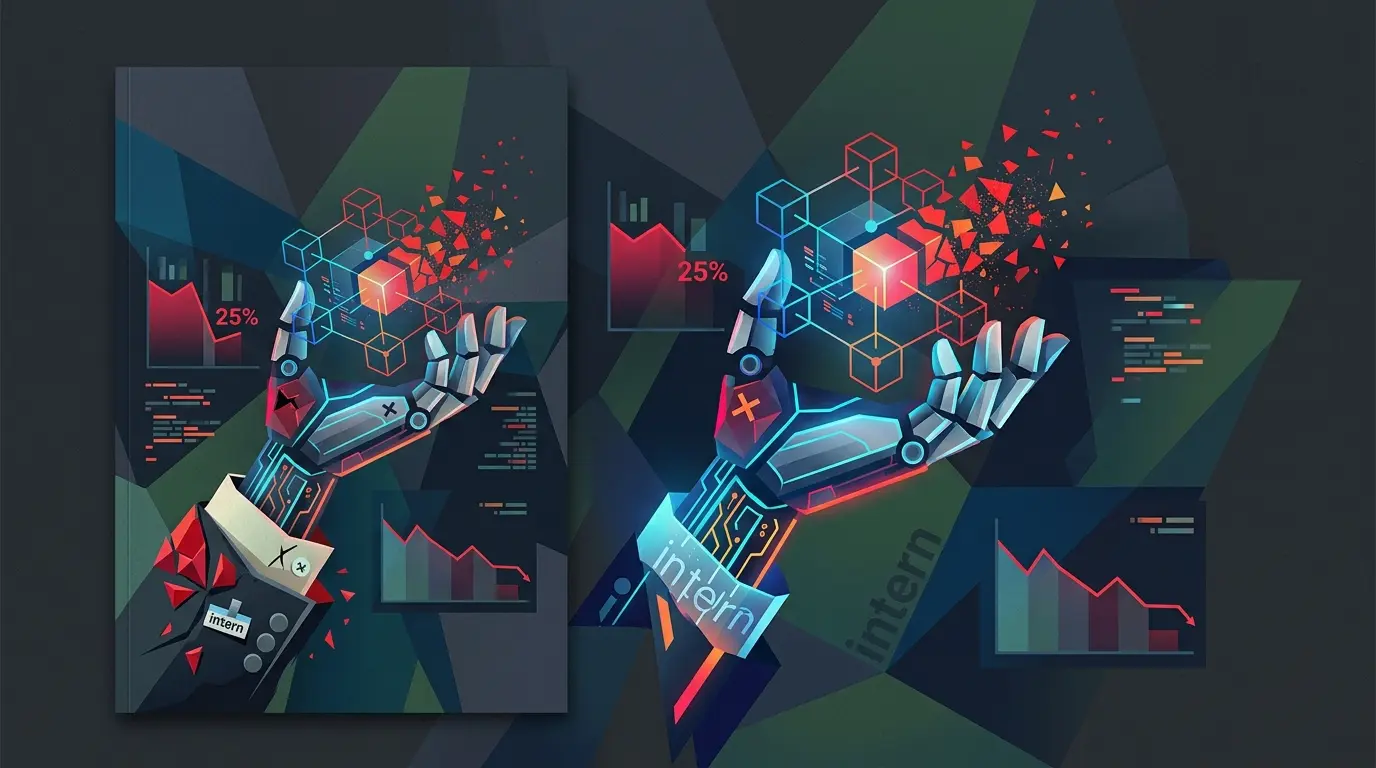
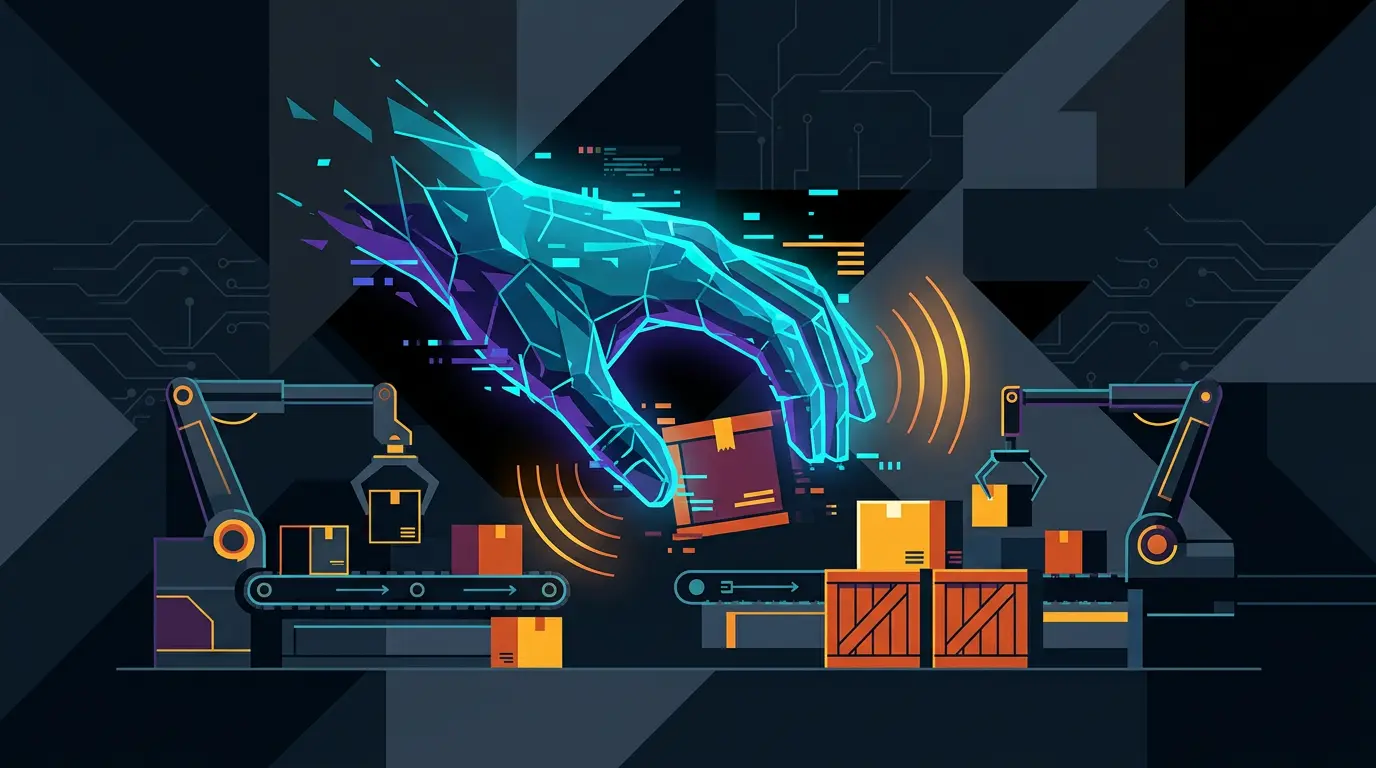
As an AI researcher, I see this as a fundamental failure of agency. A dashboard is essentially a rearview mirror. It provides a historical or current state of data, but it just sits there. A true decision engine, which is what the industry actually needs, acts as a steering wheel. It moves beyond just flagging a delay. It should be able to autonomously reroute a shipment, trigger a secondary purchase order, and update the warehouse schedule without a human ever touching a keyboard.
Jha’s assessment hits the nail on the head. We have plenty of screens, but almost no autonomous action. The industry is currently drowning in data but starving for actionable intelligence. Moving from a passive display to an active participant requires a level of model reliability that most current logistics platforms simply cannot guarantee. Not yet, anyway.
The Architecture of Stagnation
So, why is the transition moving at a crawl? In a lab, we can train a model on clean data and get results that look like magic. In a real warehouse, the data is filthy. You are dealing with fragmented systems, manual entries full of typos, and external variables like a sudden geopolitical shift that refuses to follow a historical pattern.
Then there is the issue of silos. A decision engine is only as smart as the scope of its information. If the AI in the warehouse cannot talk to the AI in the shipping fleet, the whole system breaks. Most companies are still trying to get their basic house in order. They are trying to build a penthouse (AI) on a foundation made of sand and legacy spreadsheets.
We are also seeing an epidemic of "AI washing" in the procurement space. Software vendors are slapping a GPT wrapper on a basic search bar and calling it an intelligent supply chain. This creates a classic "boy who cried wolf" situation. By the time high performing decision engines actually arrive, many logistics directors might be too burned by the first wave of overhyped tools to even care.
Managing the Early Adopter Phase
We are undeniably in the foundational stage of this shift. It is a period defined by experiments rather than total execution. Companies like Niagara Bottling are keeping a close eye on the horizon, but they are not betting the farm on an unproven black box. They are looking for tangible ROI, not just a prettier way to visualize a map.
The real challenge over the next two years will be moving from predictive models (what might happen) to prescriptive models (what we should do). This requires a massive shift in trust. A logistics manager has to be comfortable letting an algorithm spend company money to secure a backup carrier. That is a psychological barrier just as much as it is a technical one.
If AI is currently just a better way to look at existing data, how long will it take for the technology to move from the screen to the steering wheel? Jha’s insights suggest that the "decision engine" era is not a light switch we can just flip. It is a long, grueling climb that involves cleaning up decades of bad data habits before the first real decision can even be made. The question is no longer whether the tech is smart enough to drive, but whether the industry is ready to take its hands off the wheel.